District monitoring shows mostly flat reading, writing and social‑studies results; science‑of‑reading efforts continue
Loading...
Summary
Racine Unified’s monitoring reports showed most measures rated 'improvement needed' except early childhood reading; district staff highlighted oral reading fluency gains for early grades, about 11% ACT writing growth for Black students, and persistent achievement gaps. Board discussed interventions, teacher training and participation drops in upper grades.
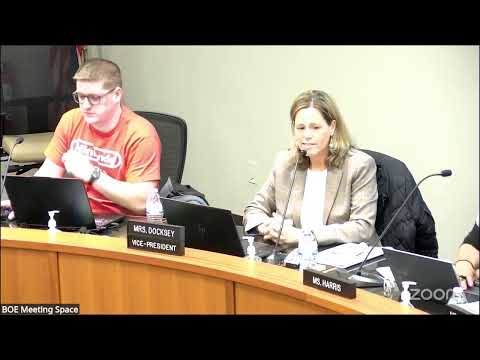
RACINE, Wis. — At a board work session, Racine Unified staff presented monitoring reports for reading, writing and social studies that show broadly flat performance across years and persistent achievement gaps despite pockets of progress.
Presenter Miss Decker told board members that she scored reading as “improvement needed” in most areas except early childhood and highlighted newly disaggregated oral‑reading‑fluency data for early grades. “We did just 1 consolidated ORF score last year. This year, we could break it up by first, second, and third grade,” Decker said, noting stronger progress‑monitoring detail than in prior years.
On writing, Decker said the district is making “reasonable progress” in district assessments and pointed to notable gains for some groups: “Our Black students had the most growth on our ACT writing, which was really, really nice, with about 11% growth,” she said. Decker also reported grade‑level improvements on district writing rubrics (e.g., roughly 17.8% proficiency increase in second grade from quarter 1 to quarter 4) and expansion of a SRSD writing pilot to seven additional schools.
For social studies the presenter again marked overall performance as flat, although Black students, students of two or more races and EL students showed the largest percentage increases on some measures (examples ranged ~4–7%). Decker and board members discussed capacity‑building steps including ACT 20 training, required state modules, additional professional learning and diversifying intervention programs beyond Read 180.
Board members asked whether the science of reading addresses comprehension; Decker said it does and includes vocabulary, morphology and writing elements and that district training is aimed at interventionists, special education and content teachers. The board also discussed student participation declines in later quarters for district assessments, how (and whether) district writing assessments count as graded scrimmages at different levels, and the role of novels and graphic novels in student engagement.
Staff presented the monitoring slides for informational review and noted follow‑up work on capacity building and indicators would continue with future reports to the board.