Wausau staff hear regional study projecting steep older-adult housing and care needs; affordability and workforce named top concerns
Loading...
Summary
Sam Wessel of the North Central Wisconsin Regional Planning Commission presented an 'Older Adult Housing Study' showing rising demand for independent living and long-term care: about 85 additional long-term care beds by 2034 and another ~60 by 2040. The study flags housing affordability and a shortage of care workers as the two main challenges.
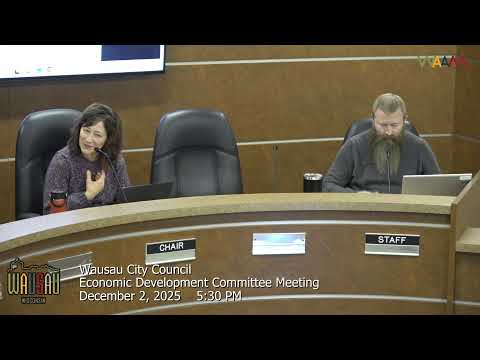
WAUSAU, Wis. — Sam Wessel of the North Central Wisconsin Regional Planning Commission presented the City of Wausau Economic Development Committee with an 'Older Adult Housing Study 2025,' saying the community can expect a pronounced shift in housing needs as baby boomers and later cohorts age.
"If there's one thing I want you to take away from this presentation is that affordability for the housing itself and then staffing for some of the more, you know, health care oriented facilities and residential facilities are going to be the top two concerns," Wessel said during the Dec. 2 presentation.
Wessel walked the committee through projections for three age cohorts — 55–64, 65–74 and 75-plus — and explained that demand for independent living and long-term care rises steeply as residents enter older age groups. He reported that county-level data show roughly 70% of Marathon County households and 75% of Wausau households earn under $75,000, stressing that many older adults will face affordability pressures even before needing intensive care.
The report estimates additional long-term care capacity needs of about 85 beds by 2034 and another roughly 60 beds by 2040 under current population trends. Wessel emphasized these are not additions to the 2022 housing-unit projections but represent the share of existing and projected units likely to be occupied by older adults.
Committee members pressed Wessel on whether the recommendations require city subsidy. Wessel said the approach is flexible, noting that municipal financial support is not the only path: "The recommendations are pretty broad, so you can see what works for you and go with it at the time," he said, and urged partnerships with developers, health systems and higher-education institutions to build and staff needed housing.
Wessel also recommended preserving and rehabilitating existing housing stock, pursuing flexible housing products that allow residents to age in place, and expanding workforce pipelines — pointing to a recent Wisconsin Public Radio projection of a statewide shortage in nursing and home health occupations that will affect local capacity. He told committee members the report is intended to start community conversations and invited feedback before final publication.
The committee did not take action on the study; members thanked staff and discussed options for follow-up, including potential outreach to health-care partners and workforce programs.