
Resident urges new municipality and slow‑down of data‑center development, citing water, farmland and long‑term risks
Get AI-powered insights, summaries, and transcripts
Subscribe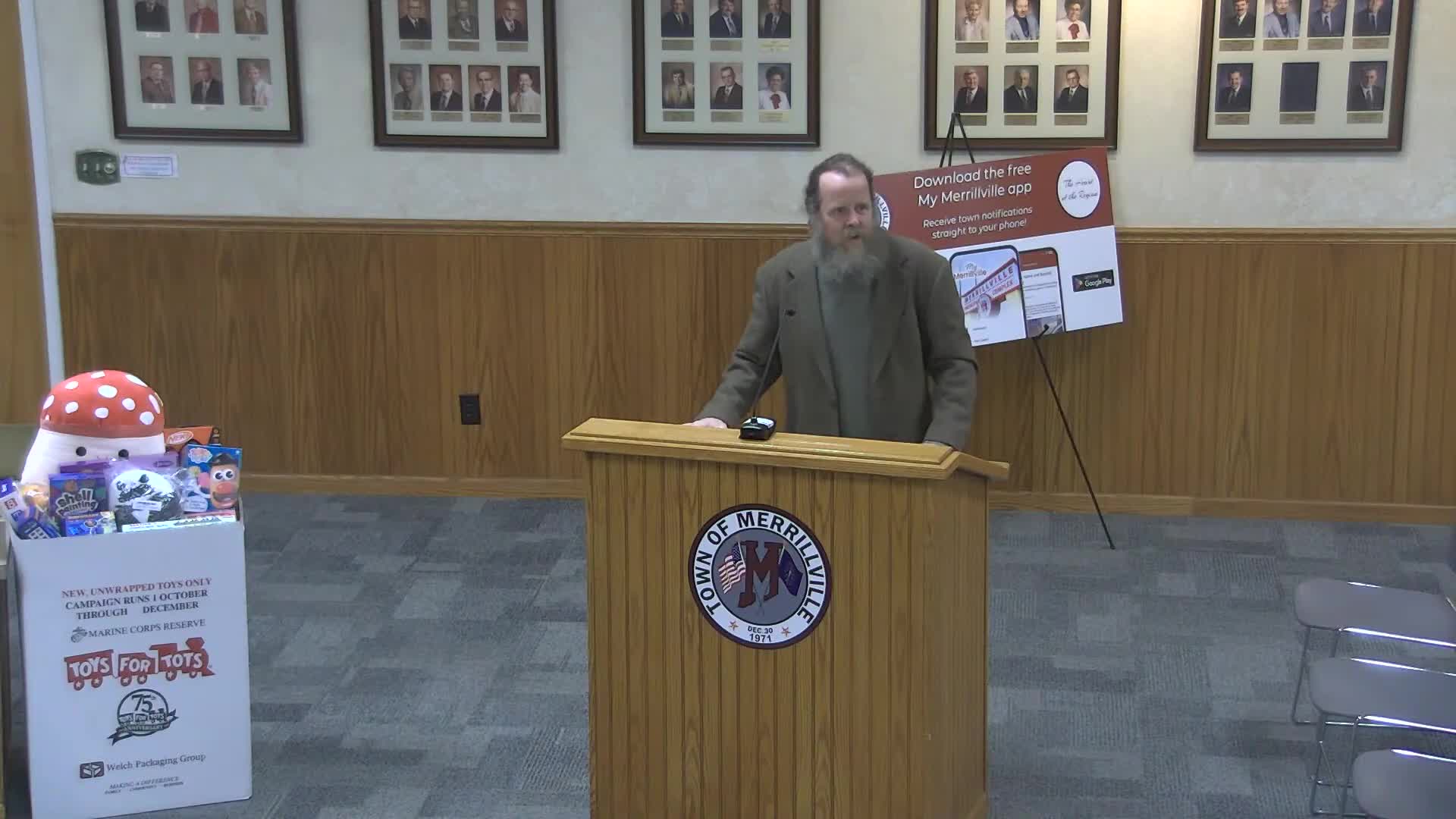
Summary
At the meeting a resident, Jeremy McShirley, warned that data centers and AI facilities use large amounts of water and electricity, harm farmland and may leave vacant, tax‑abated buildings. He proposed forming a new municipality named 'Deep River' to preserve rural wards and give residents more voice in land‑use decisions.
During public comment, resident Jeremy McShirley urged the council to pay attention to the local and regional impacts of data centers and rapid AI‑related development. He said areas in southeast Maryville and southwest Hobart have been targeted because residents there have less political voice, and he argued those rural wards will routinely lose votes to more populated areas.
"It's gonna take a lot of water. It's gonna take a lot of electricity. It's going to destroy a lot of farmland," McShirley said, describing the environmental and infrastructure burdens he associates with large data centers. He also warned that after tax abatements expire those buildings could be left vacant: "In 10, 20 years, they're gonna go up and gone, and tax abatement will be gone, and we'll have a bunch of rusty buildings that aren't occupied."
As a remedy, McShirley proposed creating a new municipality he called "Deep River," combining two wards from Maryville and Hobart to preserve rural character and give residents a governing body more aligned with local preservation goals. He invited feedback from council members and residents.
Council did not take action on the proposal during the meeting; the comment was recorded during the public comment period and will be part of the public record. The suggestion raises land‑use and municipal‑boundary issues that would require extensive legal, financial and electoral processes before any change could occur.