
Advisory council flags outdated 1991 orange DNR bracelet form, proposes coordinated update with MOLST work
Get AI-powered insights, summaries, and transcripts
Subscribe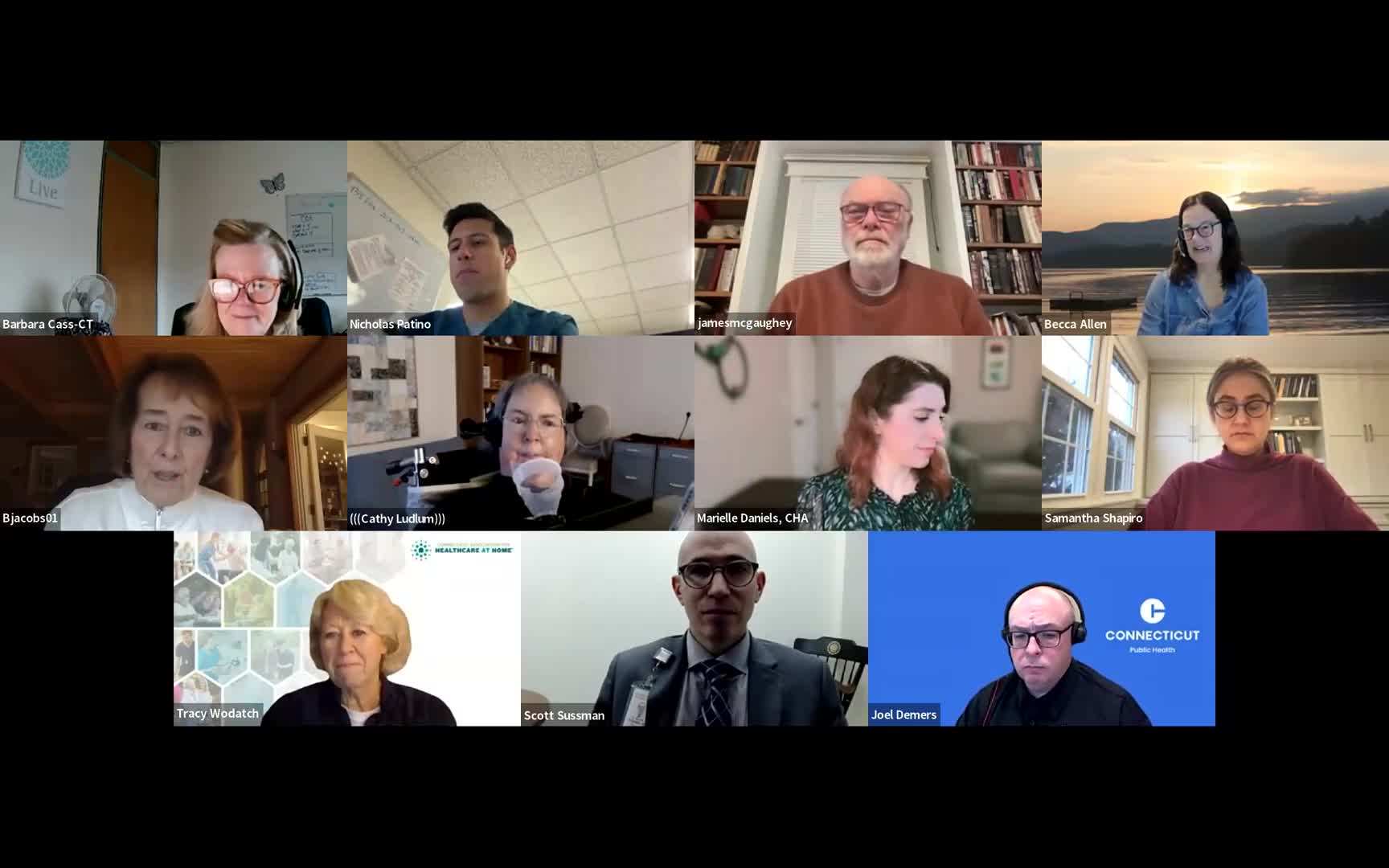
Summary
Council members said the orange DNR bracelet verification form and ordering process appear unchanged since 1991 and urged coordinated work with EMS advisory groups and the Department of Public Health while continuing MOLST modernization.
Members of the MOLST Advisory Council spent substantial meeting time on the orange DNR bracelet program and its relationship to MOLST. Several members said the bracelet verification form and related policies appear to date from 1991 and are vague; they urged a coordinated, multi-stakeholder review rather than folding the programs together.
Dr. Shapiro said the orange bracelet verification form is out of date: "The DNR orange bracelet form hasn't been updated since 1991," and described the language as vague. Council members and EMS representatives distinguished the bracelet verification form from the more recently updated transfer form, noting that the transfer form is an attestation that an order exists while the bracelet has a separate verification/consent process.
Joel, speaking for prehospital/EMS concerns, said EMS personnel "look for both" MOLST and an orange bracelet in older or terminal patients and that the transfer form is evidence that an order exists in the record. Council members noted the public often conflates MOLST, advanced directives and the DNR bracelet, creating confusion about which document or mark applies in different settings.
The council proposed these next steps: continue the ongoing MOLST modernization and training without pause; form or recommend a working group to examine the DNR bracelet verification form and ordering process; and engage OEMS, CHEMSAB/CHEMSMAC and other EMS advisory bodies for input. Barbara Cass said she would check whether DNR regulations are on the department’s regulatory update list and report back at the next meeting.
What remains unresolved: The council did not adopt formal changes to the DNR program during this meeting. Members asked staff to begin outreach to EMS advisory groups and to develop a recommendation to the commissioner about reconciliation and form updates.