Get Full Government Meeting Transcripts, Videos, & Alerts Forever!
Get email alerts on the Historic Preservation topic
No spam. Unsubscribe anytime.
City planning director unveils historic preservation master plan; commissioners flag demolition-delay and cost concerns
Summary
City Planning Director Nicholas Dupuy presented a draft historic preservation master plan that aims to shift the city from reactive to proactive preservation. Commissioners pressed staff on a proposed demolition-delay tool, plaque program and costs; Dupuy said the plan is aspirational and further study will be required.
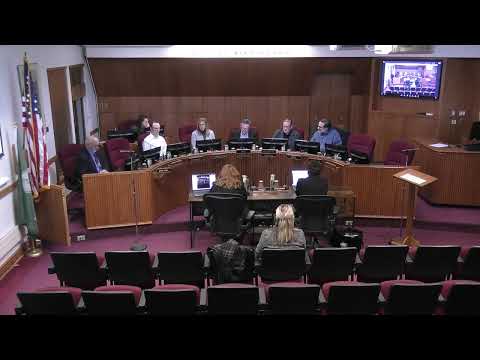
City Planning Director Nicholas Dupuy presented a draft historic preservation master plan to the Birmingham City Commission on Dec. 1, describing the document as an effort to "organize our vision, our goals, and our priorities into one place" and to shift the city from a reactive response to preservation needs toward more proactive outreach and tools.
Dupuy told commissioners that the city currently has 82 formally designated historic resources and that staff identified nearly 800 buildings in Birmingham that are 100 years or older. "I'm not here to sell you this plan," Dupuy said. "I'm here to hear you talk to me about this plan." He described the draft as eight sections including history, designation data and an action plan that lays out goals, responsibilities and potential resource needs.
The presentation moved quickly into detailed commissioner questions about specific tools in the plan. Several commissioners raised concerns about a possible demolition-delay ordinance — a regulatory pause that in other municipalities can range from 90 days to a year. One commissioner warned that a broadly applied demolition delay "could basically become universal" and that requiring a delay for any house over a certain age could raise costs for buyers and developers. Dupuy repeatedly described the plan and the demolition-delay idea as "aspirational," saying the historic district commission would need to work through eligibility criteria, time frames and enforcement before any regulatory step was proposed.
Commissioners also asked about a revived heritage-home plaque program and how many houses might qualify. Dupuy said all 82 designated resources should receive plaques and that, depending on program design, up to roughly 800 properties could be eligible if a heritage-home recognition program were reestablished. He said the office would seek more data from property owners in exchange for plaques so the city would have more than addresses for its records.
Other points discussed included: whether homeowners could be forced into designation (Dupuy said designation would remain voluntary), maintenance and affordability concerns for owners of older homes, and potential state tax credits that could help defray rehabilitation costs. Dupuy recommended studying models used in other cities and cited the National Association of Preservation Commissions as a training resource.
The plan will be released for public comment; Dupuy asked commissioners and stakeholders to focus feedback on substantive content rather than typographic errors, which staff said they will correct. There was no formal action on the plan at the meeting; Dupuy requested the historic district commission study the demolition-delay and report back with concrete recommendations before any ordinance is drafted.