Superior council backs planning for Howard's Bay cleanup, despite tribal objections
Loading...
Summary
After a detailed presentation and public comment, the Superior Common Council approved a resolution to continue planning Howard's Bay remediation with the closed Wisconsin Point Landfill as a disposal option; tribal representatives and others urged delay or alternative sites.
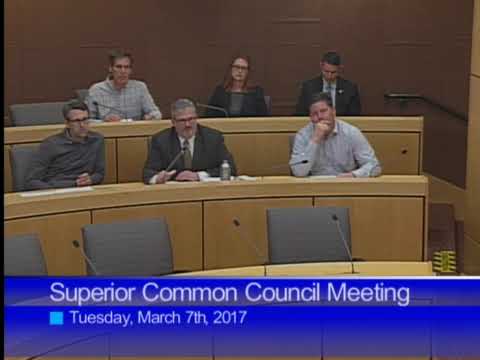
The Superior Common Council voted 7–2 March 7 to approve a resolution allowing planning to continue for the Howard’s Bay remediation project, including use of the closed Wisconsin Point Landfill as a potential disposal site.
Planning staff and a DNR project lead laid out the scope and funding picture for the project, describing an estimated $14 million cleanup focused on contaminated sediments — with lead accounting for the majority of the contaminant mass — and multiple public- and private-sector partners. The presentation said roughly 65 percent of the cleanup cost is expected from federal sources, with additional funding from state and local partners and Frasier Shipyards; staff asked the council for a resolution to keep Wisconsin Point landfill on the table while final feasibility is established.
In public comment, James Farkas, who identified himself as a Frasier Shipyards employee, urged support and said, “The funding is available now.” He argued the project would help the environment, local recreation and the shipyard’s economic viability. Representing the Fond du Lac Band of Lake Superior Chippewa, Chuck Walt delivered a written resolution and technical review opposing use of the closed Wisconsin Point Landfill and asked the council to delay any decision on using that site, calling the proposal “taking contaminants out of our front yard and putting it in our backyard.”
Council members debated referral to the Wisconsin Point implementation committee to allow additional tribal engagement; that referral failed for lack of the six votes required. Supporters said the resolution simply allows staff and partners to continue planning and perform necessary regulatory steps, including a landfill plan modification and federal tribal consultation. Opponents said council action should wait until the tribe’s technical concerns and alternative disposal sites could be fully addressed.
By roll call, the resolution passed with yes votes from Brent Fennessey, Ludwig, Harris, Kern, Olsen, Tom Fennessy and Sweeney; Garfield and Dalbeck voted no. Staff said next steps include a DNR plan modification, public meetings on any landfill plan change and return to council with formal agreements that would spell out hauling hours, road repair responsibilities and liability protections.