Get Full Government Meeting Transcripts, Videos, & Alerts Forever!
Get email alerts on the Rules Of Procedure topic
No spam. Unsubscribe anytime.
Simsbury selectmen revise rules of procedure, add disclosure for planned selectmen meetings
Summary
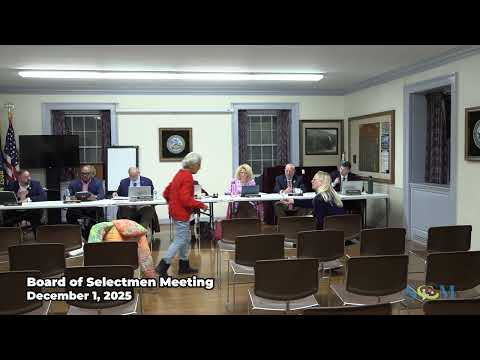
After extended debate, the Board of Selectmen approved edits to its rules of procedure including narrowed decorum language, broader public‑comment eligibility (residents or taxpayers), chair authority to manage large speaker lists, and a new post‑meeting disclosure requirement for planned meetings of three or more selectmen.
The Simsbury Board of Selectmen voted Dec. 4 to adopt a package of revisions to its rules of procedure aimed at clarifying public‑comment rules, narrowing disruptive‑behavior language, and increasing transparency for small planned meetings among selectmen.
The board removed a ban on cell phones in meetings and revised decorum language to prohibit "behavior that disrupts" rather than the broader phrase "threats to disrupt," a change members said better aligns with First Amendment protections. Selectman 2 explained the edits were intended to avoid prior restraint while preserving a productive, harassment‑free meeting environment.
Members also debated who may address the board during "public audience." The charter uses the term "electors" (registered voters); several selectmen said that is too narrow. After discussion, the board agreed the rules should refer to "residents or taxpayers," with the chair retaining discretion to allow nonresidents as formal presentations. "I don't think we want to chill the opportunity for someone to come here," one member said during the exchange.
A key addition to the rules came from Selectman Kevin, who proposed language requiring a disclosure after any planned meeting of three or more members organized to discuss town business. The proposed disclosure requires publication of the meeting date, time, attendees, topics discussed and whether any consensus was reached; it does not require production of full caucus minutes. Kevin framed the change as a sunshine measure: "It would be helpful, from a sunshine and full disclosure perspective," he said. Opponents raised concerns that such a rule could impinge on caucus rights under FOIA; supporters said the measure simply improves transparency without forbidding caucuses.
Kevin's motion to add the planned‑meeting disclosure was seconded and adopted by voice vote. After final edits were incorporated, the board voted to approve the rules of procedure as discussed.
The board also agreed procedural steps to manage very large public comment sessions: the chair may set a shorter period per speaker or, with board consent, move remaining signed speakers to the end of the meeting to allow the board to complete business.
The changes take effect immediately as the board adopted the revised rules during the Dec. 4 meeting. Copies of the new rules, including Kevin's disclosure language, will be made available in the board's published materials.