
Majority Council approves crime victim project; motion by McCannex, seconded by Dimato
Get AI-powered insights, summaries, and transcripts
Subscribe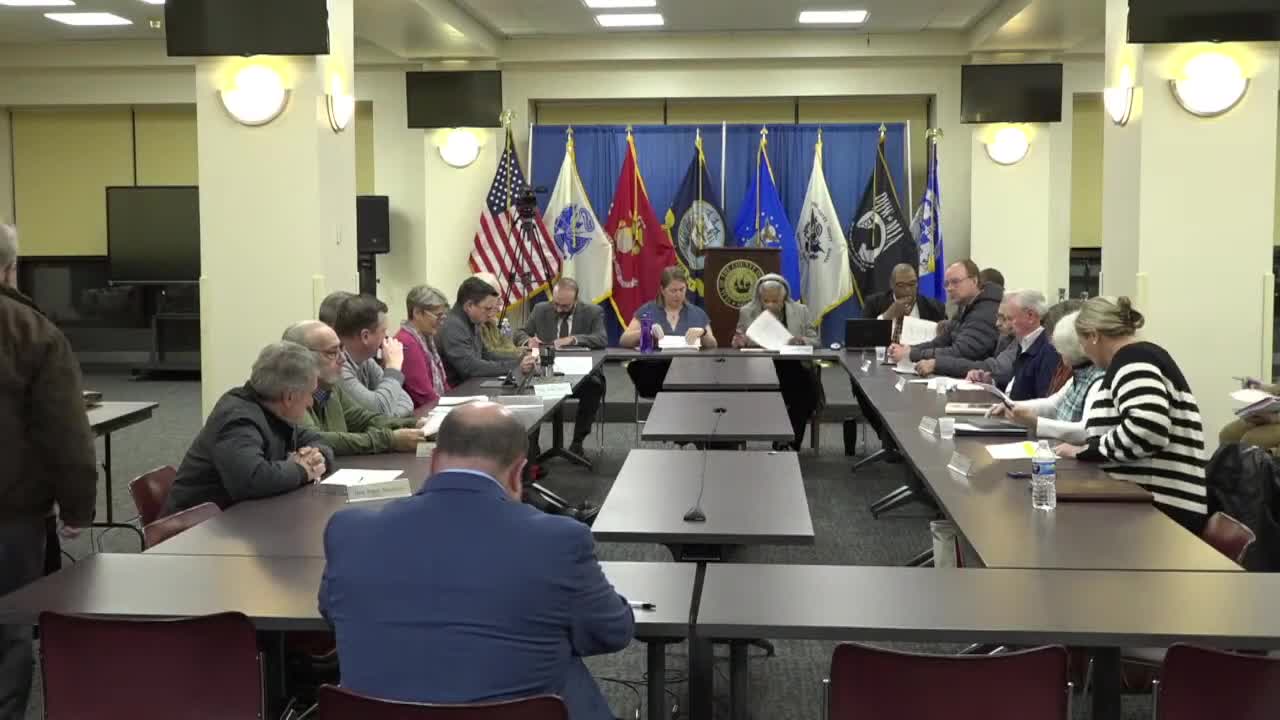
Summary
The Majority Council placed a "crime victim project" on the agenda and approved it by voice vote after a motion from Miss McCannex and a second from Mr. Dimato. The transcript records voice approval but does not include a roll-call tally or details of the project.
"The first thing that needs to be approved is the crime victim project," the presiding speaker said, introducing the item for council action.
The council moved to act after a motion was recorded: "I got a motion from miss McCannex," followed by "I got a second from mister Dimato," per the meeting transcript. The presiding speaker then called for a voice vote; members responded "Aye." The transcript records repeat affirmative responses but does not include a roll-call, numerical tally, or the full motion text.
Why it matters: Approvals such as this typically authorize expenditure, program launch, or staff direction; the transcript does not provide the project's scope, funding, or implementation timeline. The record shows formal action in favor of the item but omits details that would indicate next steps or financial impact.
What the transcript records and what it does not: The transcript contains the item title and the motions and seconds but does not record who specifically cast each "Aye," the exact wording of the motion, or accompanying staff reports or documents. The meeting does not place any follow-up direction in the recorded lines.
Next steps: The transcript does not specify implementation dates, assigned departments, or reporting requirements for the crime victim project; those details were not included in the provided record.