
Alma School Board approves move to pursue second-lien bonds to match state facility grants
Get AI-powered insights, summaries, and transcripts
Subscribe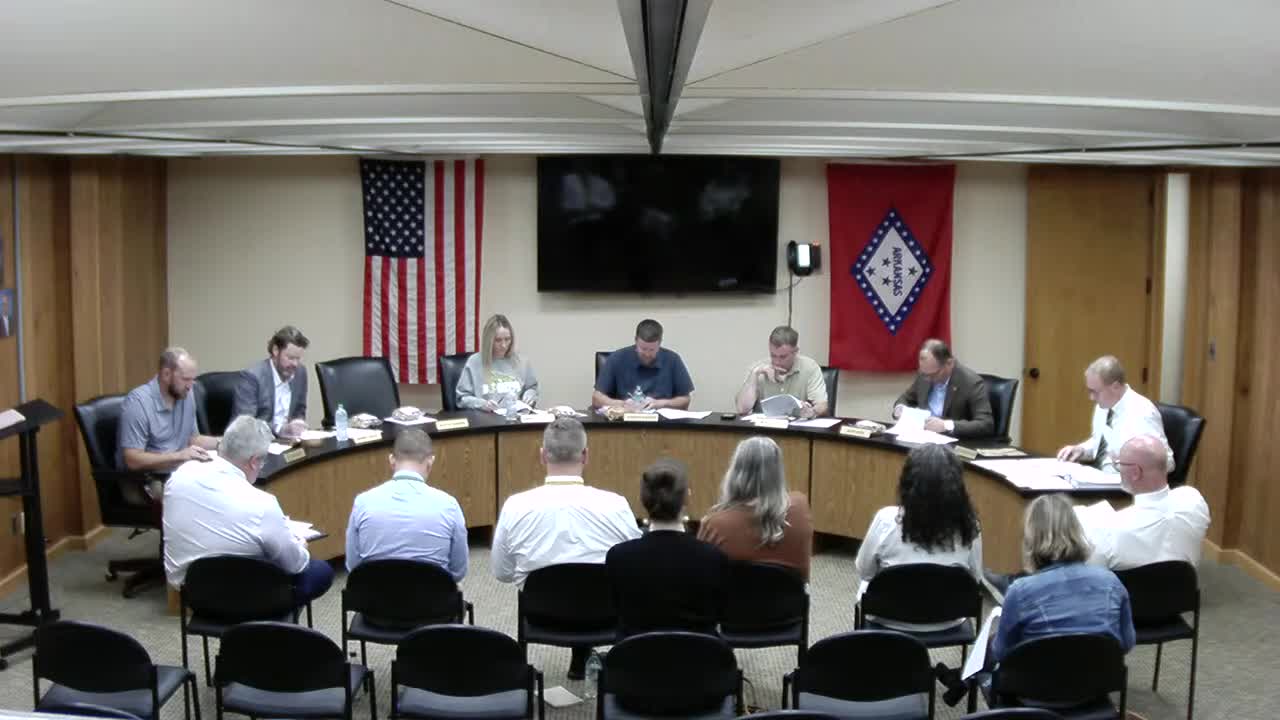
Summary
After extended discussion about size, timing and cash flow, the Alma School Board voted to proceed with applications for state ‘warm, safe and dry’ partnership funding and to pursue issuance of second-lien bonds to finance the district’s share.
The Alma School District board voted to move forward with applying for state partnership funding for facility projects and to begin the process for issuing second-lien bonds to cover the district’s share.
Administrators told the board the state partnership program typically covers about 75% of qualifying ‘warm, safe and dry’ projects, with districts responsible for the remaining roughly 25%. Staff estimated qualified project costs at about $7.4 million, meaning the district’s share would be roughly $1.8 million, and explained a proposed financing package could generate roughly $4 million of available project funds if structured to produce an annual payment of about $250,000.
Board members raised questions about scale and timing, debating whether to borrow only the district match (about $1.8 million) or to include additional projects and priorities, such as renovating the purchased bank building. Concerns focused on interest‑rate exposure, future borrowing needs for subsequent facility cycles and whether to rely on the district’s $1.5 million line of credit for short‑term cash flow. Staff noted the program is reimbursable and that funds typically arrive about seven to 10 days after a request is submitted, so the district will need cash flow to front projects until reimbursements arrive.
Board members also discussed project phasing and control measures. Administrators described a modest phase‑one plan to ready the bank building’s first floor in‑house and said the elevator cost (and associated ADA work) remains a primary unknown. The district will obtain engineering input and more detailed estimates for elevator work, sewer replacements and other items before finalizing project scopes.
Administrators outlined the timeline needed to preserve eligibility: board approval this month would enable staff to meet state notification deadlines so the state board could act in January and the district could close in March with funds on hand in April. Board Member 11 moved to proceed with the state facilities partnership application and associated second‑lien bond process; the motion carried by voice vote.
Next steps include producing a prioritized project list, confirming net bond proceeds after fees and obtaining firm bids and engineer estimates for elevator work, sewer repairs and other high‑cost items. Administrators said they would also run scenarios for a smaller bond amount and for staging work to limit borrowing if the board prefers a more conservative approach.