
Unidentified advocate urges humanitarian responders to put people with disabilities first
Get AI-powered insights, summaries, and transcripts
Subscribe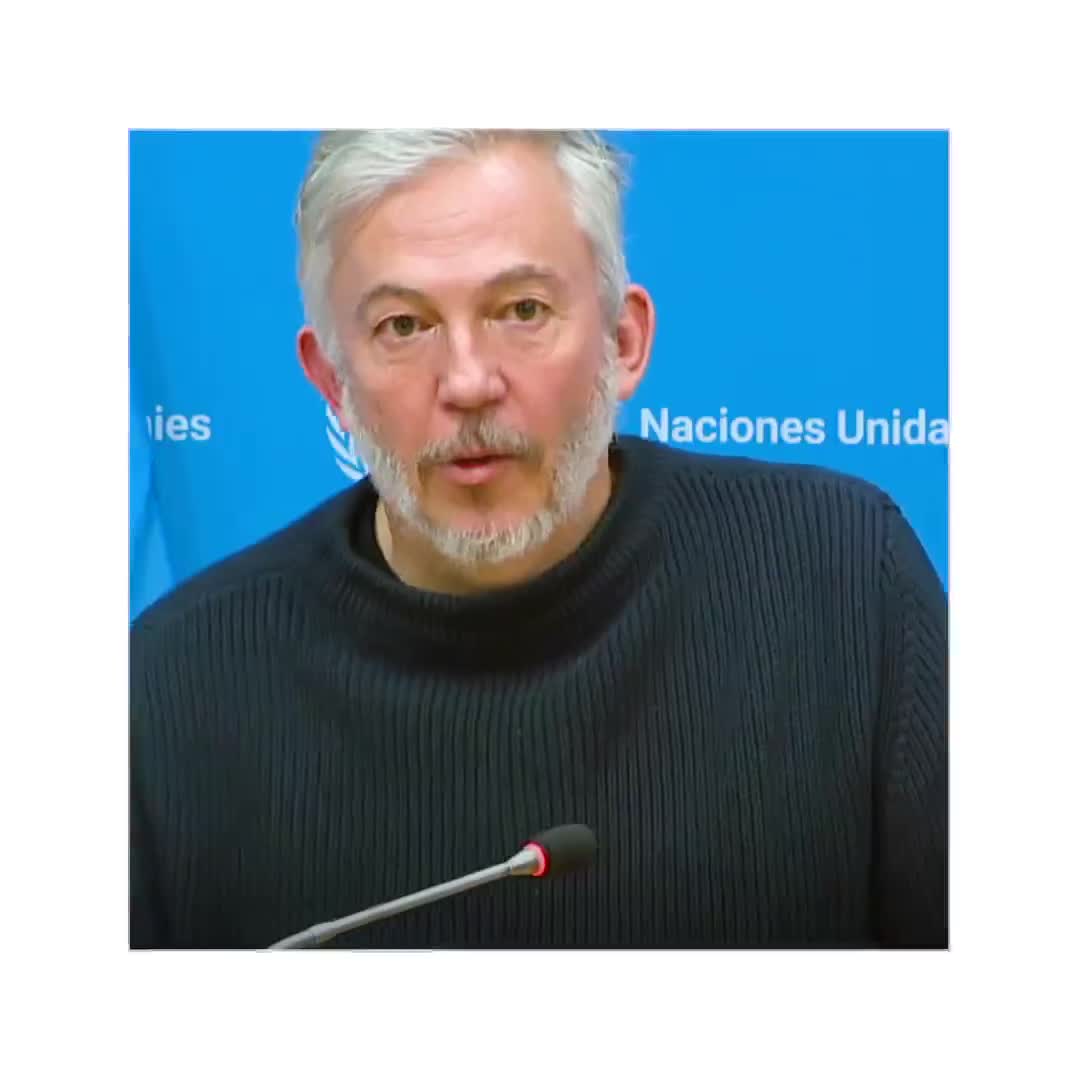
Summary
An unidentified advocate and photographer working in war zones and humanitarian crises said people with disabilities are often overlooked and described concrete failures — from top-floor evacuees stranded without power to deaf people missing audible warnings — urging responders to listen and act.
An unidentified advocate and photographer who said they spend "probably 95%" of their life in frontline areas urged humanitarian responders to make people with disabilities a priority in crisis planning and response. "As an advocate, my job is to share stories," the speaker said, describing firsthand work in war zones and humanitarian crises.
The speaker said listening must guide response decisions. "Listening is a very key word here," they said, arguing that portrayals of people with disabilities as inspirational can obscure those left behind and truly vulnerable. "Too often, people with disabilities are presented as inspiration... But that means the stories of those left behind who are truly vulnerable are often ignored or forgotten," the speaker said.
The testimony included concrete examples of how standard emergency procedures can fail disabled people. The speaker said people living on top floors can be unable to evacuate when electricity fails; "When warnings are done by sound, people who are deaf do not get them," they said; and they described how wheelchair users "lose all accessibility" when rubble blocks streets after disasters. The speaker also framed the concern as a repeated pattern in crises: "People with disabilities, whenever there is a crisis, are the ones most vulnerable."
The advocate called for responders and planners to stop romanticizing disability and instead address practical access gaps in evacuation, alerting and debris management. They closed their remarks with a direct appeal: "We cannot abandon people. We cannot forget them." No formal policy proposals, votes, or actions were recorded in the transcript.