
Penncrest board debates scope, timing of boiler and facilities work at Cambridge Springs Elementary
Get AI-powered insights, summaries, and transcripts
Subscribe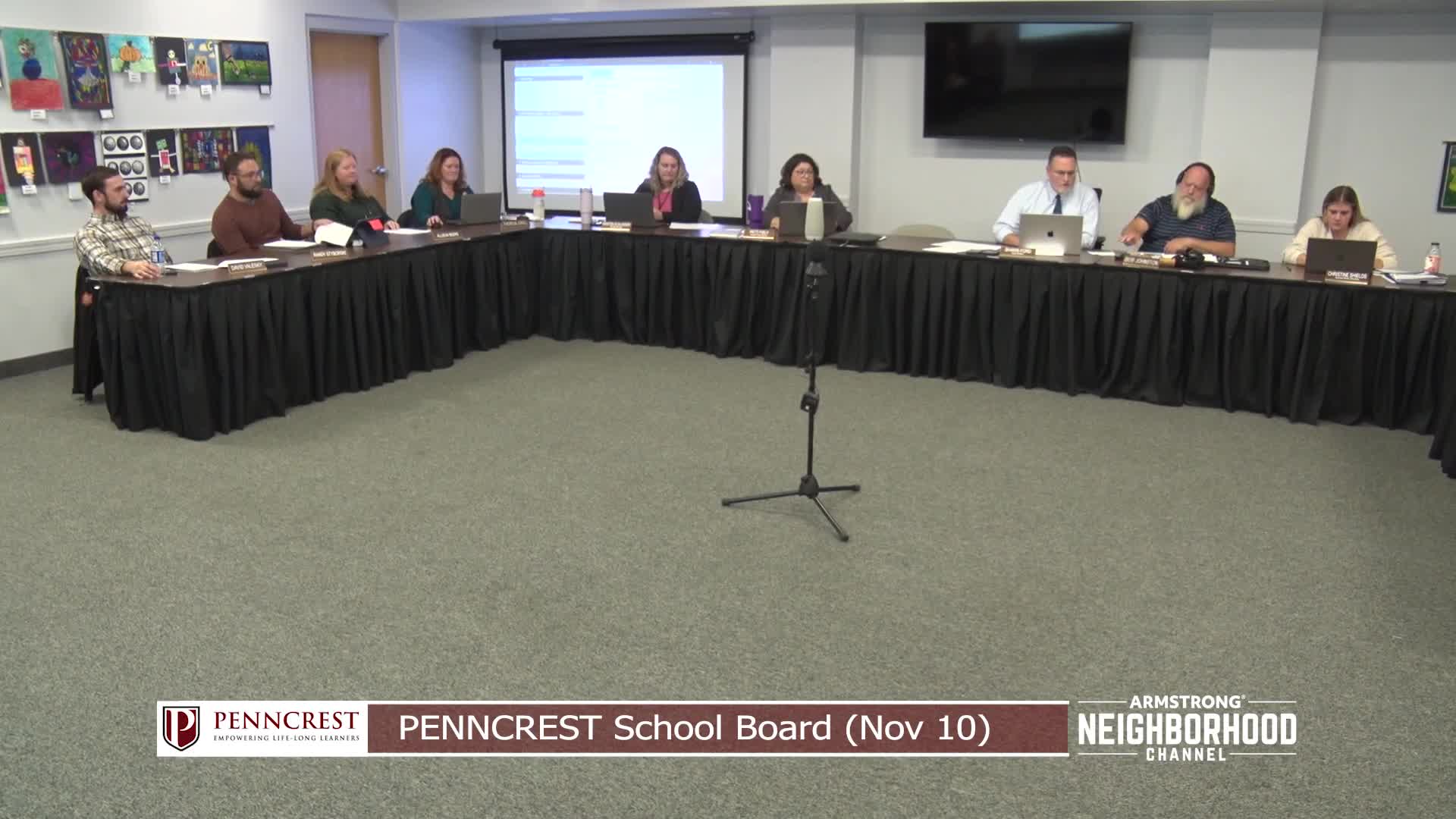
Summary
Board and outside engineers reviewed aging boilers and repair options for Cambridge Springs Elementary; consultants estimated temporary heating costs of $10,000–$15,000 per month if a boiler failed, and members asked for a utilization/feasibility study before committing to a major capital project.
Richard Luke, the district facilities lead, and consultants from McClure told the Penncrest Board of School Directors the Cambridge Springs Elementary building is showing extensive age-related failures and that a full HVAC/boiler replacement is likely the next major capital step.
Eric from McClure said a temporary "boiler in a box" would likely cost "anywhere between $10 and $15,000 a month" in a worst-case outage, and warned that mixing high-efficiency condensing boilers with older cast-iron equipment is not straightforward because "you can't mix and match" plumbing and controls.
Board members pressed for options and for more information before authorizing major work. One board member urged an "in-depth study before taking more steps," noting enrollment and area-utilization questions. Facilities staff said some repairs (short-term patching and temporary heaters) could buy time but stressed those are band-aid measures.
Consultants recommended a phased approach to give the board flexibility: limit scope to mechanical systems for next summer, or pick a broader package that adds lighting and flooring. McClure said cost escalation and supply schedules mean a decision by December would best support a summer start for a larger project; the firm noted prior district projects have followed a November–December approval cadence to enable mobilization.
Officials also discussed building utilization and alternatives, including whether portions of elementary or high-school space could be repurposed. Board members and consultants agreed a utilization/feasibility study would clarify options, and several members said they wanted to pursue additional grant funding before bonding for a large project.
The board did not vote on a contract or project during the meeting; members directed staff to collect more information and return with refined scopes, cost estimates and a timeline for a possible vote in December.