Get Full Government Meeting Transcripts, Videos, & Alerts Forever!
Get email alerts on the Affordable Housing topic
No spam. Unsubscribe anytime.
Bend‑LaPine board approves property‑tax exemptions for two affordable housing projects
Summary
The Bend‑LaPine School District Board voted to approve 20‑year income‑qualified property‑tax exemptions for Cascade Landing and Verde Pines, after hearing presentations showing limited district fiscal impact and proponents arguing the projects deliver long‑term affordable units for households at or below 60% AMI.
The Bend‑LaPine School District Board on Oct. 14 approved property‑tax exemptions for two 100% affordable housing projects, voting to support the Cascade Landing and Verde Pines developments with motions citing community need and partnership expectations.
Supporters framed the actions as critical to adding long‑term affordable homes near district schools. "This is a smart investment with lasting returns," said Seth O'Connell, a project partner speaking for Verde Pines, noting the proposal would bring "$48,000,000 in direct investment and 128 new affordable homes" and that the units would be rent‑restricted to 60% of area median income for at least 50 years. Tyson O'Connell of United Housing Partners told the board the Verde Pines site is a block from Caldera High School and that the development’s 128 apartments would, by HUD estimates provided in the packet, serve about 424 residents.
CFO Dan Emerson laid out the fiscal tradeoffs. He explained how Oregon’s State School Fund (SSF) distributes revenue and said exempted property taxes reduce the statewide SSF bucket and therefore slightly lower allocations to districts by enrollment weight (ADMW). For Cascade Landing, Emerson cited city estimates showing roughly $2.585 million in foregone property tax dollars over 20 years and characterized the district’s direct share as modest — an estimated $3,878 per year for this district — while the statewide SSF effect was assessed as about 0.004 percent. For Verde Pines, Emerson said the city projected about $1,814,482 in foregone revenue over 20 years and an estimated district impact of about $2,721 per year.
Board members weighed the fiscal context against housing needs. Director Cameron Fisher, who moved approval of Cascade Landing, said the board must balance fiscal stewardship with community needs and urged Bend leaders to streamline permitting so promised units reach the ground. Director Keno Chadwick, who moved approval of Verde Pines, emphasized partnerships with the Latino Community Association and the projects’ potential to serve teachers, other district staff and families.
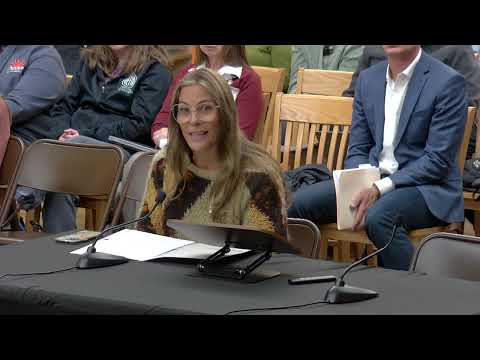
Several public‑comment speakers urged board approval. Carolina Sanchez Frank, executive director of the Latino Community Association, said outreach and on‑site services would help Latinx families "thrive" if Verde Pines is built. Mike Boyer, representing Cascade Landing, described that project as 98 family‑oriented units designed to stabilize children’s schooling.
The board’s approvals are advisory to the Bend City Council, which holds final authority to grant a full income‑qualified property‑tax exemption; Emerson noted the city will seek written approvals from other taxing districts before final council action. Bend Park & Recreation previously tied on Cascade Landing, which resulted in a failure at that body; Deschutes County declined to put Cascade Landing on its agenda. The school board did not provide a staff recommendation and voted after deliberation using motions included in the meeting packet.
Next steps: the approvals will be forwarded to the Bend City Council and the projects must complete the remaining steps in the local permitting and inter‑district approval process before exemptions take effect.