Get Full Government Meeting Transcripts, Videos, & Alerts Forever!
Get email alerts on the Open Meetings topic
No spam. Unsubscribe anytime.
Community committee weighs using recordings and transcripts as official minutes
Summary
The committee discussed whether unabridged video or audio recordings and AI transcripts can satisfy the Open Meetings Law’s minutes requirement, with members generally favoring posting recording links but urging human review of automated transcripts.
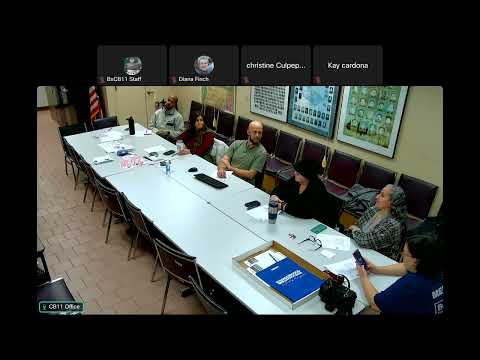
Chair Ryan Barthel opened a discussion on whether the board should rely on meeting recordings and automatic transcripts in place of separately prepared written minutes, saying the Open Meetings Law permits "unabridged video recordings or audio recordings or written transcripts" to be considered minutes. Members broadly supported using recordings to save staff time but urged caution around automatic transcripts.
An attendee said automatic transcription often contains errors, particularly with formal names, and recommended that a person who attended the meeting review and correct transcripts before they are relied on as an official record. The attendee said a written backup is important "in case of some kind of technical glitch with the video." Ryan Barthel said staff already maintain backups of videos in addition to the YouTube posting.
Committee members suggested practical measures to improve accessibility and accuracy: linking the meeting recording directly from the minutes page, using agendas as a navigation guide to topics within recordings, and testing procedural changes at leadership before codifying them in bylaws. One member proposed using AI to summarize long transcripts but stressed that human review is still necessary to catch errors.
The committee did not make a binding policy change at the meeting but agreed on a course of action to pursue: rely primarily on video recordings that meet the law while retaining transcripts and human review as a corrective layer and adding clearer navigation (links and agenda markers) to help the public find specific items in recordings. The board said staff should confirm interpretations with the law department when necessary.