Get Full Government Meeting Transcripts, Videos, & Alerts Forever!
Get email alerts on the Instruction Intervention topic
No spam. Unsubscribe anytime.
Bolivar intermediate school credits interventions as reading plans fall year‑to‑year
Summary
Presenters told the Bolivar R‑I board that targeted intervention services and Reading Success Plans (RSPs) coincide with year‑to‑year drops in students flagged for intervention: third‑grade RSPs fell from 91 to 59 in the latest comparison, with declines in other grades as well.
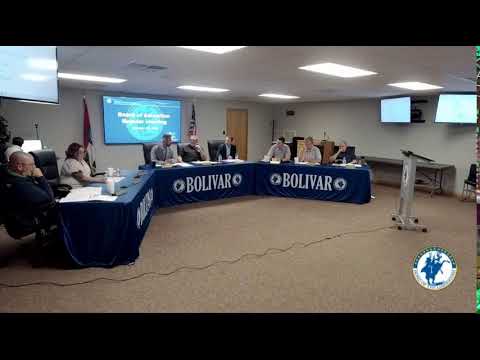
Boulder Intermediate School staff told the Bolivar R‑I Board of Education that targeted intervention work has reduced the number of students coming into reading success plans (RSPs) compared with last year.
Presenter (Speaker 12) described the building’s intervention program — tiered instruction, small‑group intensive reading supports and a benchmark program — and gave data on students served: “we serve 173 students in ELA and another 77 in math with a wait list of 32,” the presenter said. The same presenter reported year‑to‑year declines in RSP flags: third grade came in with 91 on RSPs last fall compared with 59 this year, with concurrent declines of 32 in third grade, 18 in fourth grade and 33 in fifth grade when measured cohort‑to‑cohort.
School staff attributed the improvement to multi‑tiered instruction and targeted interventions that put students back on grade‑level trajectories. Presenters emphasized the role of classroom teachers (tier 1), interventionists (tier 2) and benchmark tools in monitoring progress. Board members thanked the BIS team for the work and asked no substantive follow‑up questions during the presentation.
What happens next: district staff will continue to monitor RSP counts and report progress through CSIP and APR reporting cycles; the district APR from DESE is expected to be released later in the month.