Get Full Government Meeting Transcripts, Videos, & Alerts Forever!
Get email alerts on the Disaster Recovery topic
No spam. Unsubscribe anytime.
Burke County says FEMA review stalls $11 million in disaster reimbursements; county pressing monitoring and legal issues
Summary
Burke County officials told commissioners the FEMA public‑assistance review of debris and emergency response claims has been slow and disputed on measurement methodology, leaving roughly $11 million in county expenditures unresolved and prompting legal and program-level follow-up with monitoring vendors and state partners.
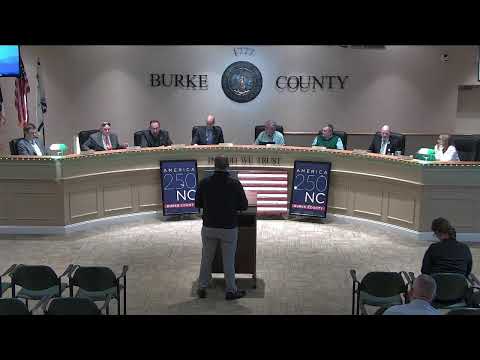
Burke County’s manager told the Board of Commissioners on Nov. 3 that the county has spent about $11 million responding to last year’s storm but has received only small fragments of FEMA reimbursement as the agency’s review process repeatedly shifts.
The county manager outlined that an initial public assistance application covered five categories but was reduced to four after insurance covered a building claim, and that the county has received only “$12,000 today” toward an approximately $11.4 million request. He said changing federal guidance, rotating FEMA project managers (PDMGs) and a protracted “large project review” in Washington, D.C., have repeatedly sent the application back for further documentation.
Why it matters: the county has used general fund cash to pay immediate debris, staffing and contractor costs, reducing reserves and possibly lowering investment returns. Commissioners asked whether the pause will cause a significant loss in investment return; the manager cautioned there will be some financial impact though he did not quantify it precisely.
A central dispute involves debris-monitoring invoices. The manager said invoices from the county’s monitoring contractor reported trailers hauling debris as “90% full,” which FEMA reviewers have questioned, arguing a trailer cannot be 90% full and suggesting a maximum around 83–85%. “FEMA decided that there was no way any trailer could be 90% full,” he said. The county’s monitoring firm has engaged attorneys and disputes FEMA’s recalculation, and county officials said they are pursuing legal and administrative remedies while working to move the application back into large‑project review and toward obligation.
County staff said they have tried to limit local exposure by enrolling in the state’s NC Smart program, which moved some operational responsibility and cash-management to the state. That shift removed certain operational burdens but introduced other operational hiccups the county is trying to resolve, the manager said.
The manager characterized the FEMA public assistance process as “incredibly difficult to follow,” noting revisions to FEMA doctrine and multiple rounds of review. He described the application as “thousands and thousands” of pages and said that disputes have included granular arguments over generator run minutes, brush disposal methods, and measurement conventions used to calculate reimbursements.
Next steps: county staff said they are working with DebrisTech (the monitoring firm), Southern Debris Removal (the contractor), FEMA, and the state emergency management office to pursue reimbursement and to return the application to the large‑project review stage. Officials declined to give a firm timetable for final obligation.
Board reaction and votes: commissioners pressed for clarity on when reimbursements might arrive and for an accounting of potential investment return impacts; no new appropriation was requested. The discussion remained at the staff‑update level and the item will remain on future agendas for further updates.