Get Full Government Meeting Transcripts, Videos, & Alerts Forever!
Get email alerts on the Consumer Protection topic
No spam. Unsubscribe anytime.
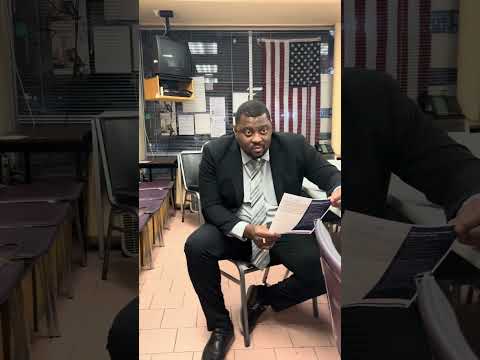
Local bank tells Health and Social Services Committee how scams target older adults, offers safeguards
Summary
Ridgewood Savings Bank representatives briefed the Health and Social Services Committee in Morris Park on common scams targeting older adults — from door-to-door and roof-repair fraud to 'pig butchering' — and described bank safeguards including transaction alerts, in-branch help, and bill-pay options.
Ridgewood Savings Bank representatives briefed the Health and Social Services Committee in Morris Park on common scams that prey on older adults and outlined steps customers and the bank can take to reduce losses.
Mister Fisher, a Ridgewood Savings Bank representative, told committee members that scams are rising and that many rely on simple social engineering: someone offering to cut a yard, dropping a banknote in a store aisle, or asking for cash up front for repairs. "Scamming has increased over 22% since 2022," he said, and he added that the figure reflects reported cases only. The presenters warned that scammers also impersonate agencies such as Social Security and Medicare and often pressure victims to act immediately.
The presentation described several common techniques and red flags. Speakers described door-to-door and roof-repair scams in which people demand large upfront cash payments and then disappear; the presenters urged hiring reputable contractors and avoiding cash-upfront deals. They also explained "check washing," in which criminals chemically remove ink to alter payees, and a remote fraud called "pig butchering," in which scammers build a friendly relationship over time, send small amounts to gain trust, then take larger sums after obtaining account information.
Bank staff outlined specific customer protections the institution uses. Mister Fisher said the bank sends text alerts for unusual card activity and will block suspicious charges when customers do not confirm them. The bank offers to help customers set up bill pay or complete transactions in-branch, and it will research suspicious routing or payee details before allowing large withdrawals. "If you're buying something, there is something called a bank check," he said, adding that the bank charges about $2 for that service, which the presenters recommended over carrying large amounts of cash.
Presenters also cautioned against common scam payment methods. "Nobody ever take payments by gift card," the Ridgewood representative said, adding that legitimate agencies and the IRS do not accept gift cards for payment. The group recommended verifying any caller who claims to represent a government agency, checking mailed utility bills directly with the provider for address verification, and preferring paperless statements or in-branch assistance when mail security is a concern.
Committee members and attendees recounted local examples — from someone dropping cash beside a shopper to squatters entering vacant homes after social-media posts — and discussed older residents' heightened vulnerability. Mister Fisher noted that artificial-intelligence tools and voice spoofing have increased the sophistication of some phone scams.
The bank representatives left printed flyers and community "bags" with small items and materials from the U.S. Department of the Treasury's Office of Cybersecurity and said they would return for future outreach such as a health fair. Chair Sandra and committee member Pat Cambria thanked the presenters. The meeting adjourned at about 8:01 p.m.