Get Full Government Meeting Transcripts, Videos, & Alerts Forever!
Get email alerts on the Housing Incentives topic
No spam. Unsubscribe anytime.
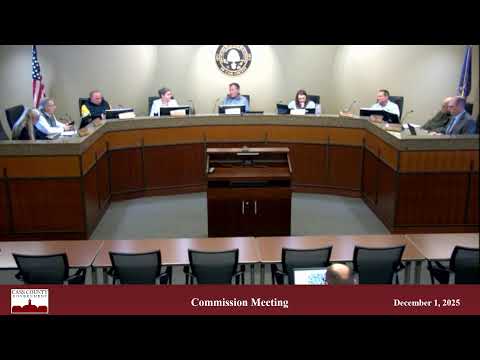
Cass County commissioners deny county participation in proposed downtown Fargo housing pilot
Summary
The Cass County Board of Commissioners voted to deny county participation in a proposed Fargo downtown housing incentive after commissioners raised concerns about a 20‑year pilot’s fiscal impact and the project’s long-term tax-exemption stack. The county’s financial consultant said the project needs local assistance to reach bank‑friendly coverage ratios.
The Cass County Board of Commissioners voted to deny county participation in a proposed downtown Fargo housing pilot after several commissioners said a 20‑year incentive package would cost the county too much over time.
County staff and project representatives told the board the mixed-income housing development would target households at or below 60% of area median income, accept housing choice vouchers and use a complex financing stack that includes 4% low‑income housing tax credits and a $3,000,000 state housing incentive grant. Financial consultant Matt Schneckberg said his independent review found the project’s debt‑service‑coverage ratio (DSCR) would be about 0.94 without public assistance — below the typical bank threshold — and could increase to roughly 1.3 with public support.
Why it mattered: Commissioners said the county’s lost property tax revenue under the proposed 20‑year pilot, plus a five‑year renaissance‑zone stacking, would be sizeable. Commissioner Capitan told colleagues the package would cost the county about $114,000 a year and roughly $2,300,000 over 20 years and said he could not support a 20‑year term. "I can't, I can't see myself voting for a 20 year pilot program," he said.
The debate focused on the length of exemptions and whether shorter terms (seven to ten years) could meet investor requirements while reducing fiscal exposure to the county. Supporters noted the project advances the county’s stated policy goal of supporting low‑ and moderate‑income housing in the urban core; opponents pointed to long-term revenue impacts and the precedent of extended tax incentives.
A motion to disapprove the county’s participation was moved and seconded on the floor and passed by roll call. The motion to deny the request passed; recorded responses in the roll call were recorded as aye, with no recorded no votes or abstentions. County staff said the city commission would consider the proposal in roughly three weeks and that the school district had not delivered a position on the incentives at the time of the meeting.
What’s next: Staff and the developer may revisit incentive term length and return to the board with revised options, but the commission’s action means the county will not provide the requested 20‑year pilot as presented.