Get Full Government Meeting Transcripts, Videos, & Alerts Forever!
Get email alerts on the Superintendent Evaluation topic
No spam. Unsubscribe anytime.
Chariho committee deadlocks on how to revise superintendent evaluation
Summary
Members debated whether a subcommittee or the full school committee should design a new superintendent evaluation rubric. Motions for full‑committee development and for a subcommittee both failed after recorded votes; public commenters urged inclusiveness and cautioned about bias.
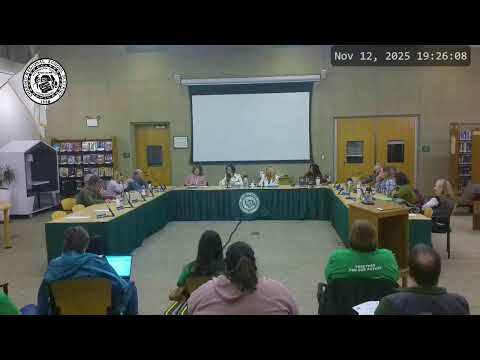
The Chariho Regional School Committee spent the bulk of its special meeting debating how to revise the superintendent evaluation process but failed to reach agreement on which body should design any new rubric or procedures.
The chair framed three options: (1) the full school committee develops a rubric and evaluation process, (2) a smaller subcommittee does the work and returns recommendations to the full committee, or (3) keep the existing process. The debate focused on tradeoffs between inclusiveness and efficiency, how to ensure evidence and calibration in scoring, and whether community and staff feedback should be integrated.
Supporters of a full‑committee approach said broader participation would enhance transparency and accountability. "Actions speak louder than words," said Speaker 13, who argued that members should back scores with evidence and that the committee has previously received performance data. Opponents said a subcommittee would be more efficient and that any subcommittee work would still come back to the full committee for approval. The superintendent, Speaker 2, clarified the distinction between reporting progress on previously approved goals and a broader job performance review and urged that any rubric be "reliable and valid."
The first motion — that the full school committee develop a rubric — was put to a vote and the clerk recorded those in favor as Linda, Jess, Karen and Craig, with those opposed recorded as Polly, the chair, Laura and Larry. The motion failed. A later motion to create a subcommittee to revise the evaluation process was similarly debated at length and also failed in recorded voting.
Public commenters urged caution and inclusiveness. Samantha Wilcox of Richmond said she did not "think the subcommittee is necessary" if many community members want to participate; Gary Stoner, also of Richmond, cautioned that a new rubric must answer questions about reliability and confirmatory bias and suggested hiring a professional evaluator if the committee proceeds.
What happens next: With no consensus reached, the committee moved on to other business. The transcript shows the issue remains open for future action; any formal change to the evaluation process would require a motion and majority approval at a subsequent meeting.