Lifetime Citizen Portal Access — AI Briefings, Alerts & Unlimited Follows
Consultant: Rock Springs Civic Center needs $15.7 million in repairs over 20 years; elevator not the only ADA option
Loading...
Summary
A facility condition assessment presented to the Rock Springs City Council estimates about $15.7 million in needed work over 20 years, highlights immediate safety hazards on the pool’s east side, recommends fire‑safety and mechanical replacements, and says an elevator is not the only way to address ADA requirements.
Maureen Roskoski, a vice president with the consulting firm that conducted a facility condition assessment, told the Rock Springs City Council that the Civic Center will need about $15.7 million in repairs and maintenance over the next 20 years.
Roskoski said the building, originally constructed in 1929 and expanded in the 1970s to about 40,000 square feet, has a mix of deferred maintenance, aging systems and accessibility gaps. She identified structural issues on the east side of the pool that may require demolition of a balcony and staircase, exterior envelope work including window and sealant replacement, and a roof that has reached the end of its useful life. "There were some structural issues and safety hazards on the east side of the pool requiring demolition of that balcony and staircase," she said.
On building systems, the consultant cited plumbing concerns (pool fiberglass filters, replacement of the domestic hot water tank and locker‑room piping that has reached the end of its useful life), mechanical needs such as pool‑heating replacement and rooftop unit replacements, and electrical component replacements projected in 2028. Fire‑ and life‑safety systems were described as past their useful life; the firm recommended replacing the fire alarm, replacing original sprinkler heads in the basement and considering installation of fire suppression in other areas depending on local requirements. Roskoski noted some sprinkler piping dates to 1978.
The assessment breaks the $15.7 million estimate into near‑term and longer‑term categories: about $5.6 million for remediation and likely accessibility upgrades in the first two years, $7.6 million for major system replacements over the life cycle and $2.5 million for routine preventive and corrective maintenance. The consultant said the report includes a detailed year‑by‑year spreadsheet listing needs by system.
During a brief Q&A, a liaison to the OTCC asked whether the consultant’s recommendation to install an elevator was the only way to meet ADA requirements; Roskoski responded that an elevator is not the only option and that the firm did not perform a separate ADA study. She added that whether specific ADA upgrades are triggered depends on the scope of work and what the local jurisdiction requires. When asked whether any repairs were immediately critical to continued operation, the consultant said there are safety hazards that require immediate action.
Councilor Zotti asked for clarification on alternatives to installing an elevator. Roskoski reiterated the firm’s assessment focuses on projected financial needs and that specific ADA solutions depend on jurisdictional requirements and on site changes such as demolition of locker‑room stairs, which could make an elevator more necessary.
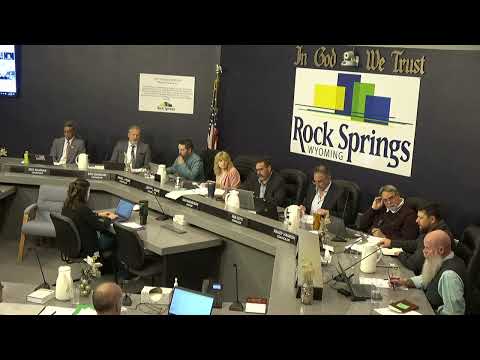
The council did not take formal action on the report during the special meeting; the session was adjourned and the council planned to reconvene at 07:00.
The consultant provided the council with a full spreadsheet of projected repairs and timing; council members asked for clarification during the meeting and were told that some details — including precise ADA triggers — will depend on a separate ADA assessment or the city’s interpretation of local requirements.