Get Full Government Meeting Transcripts, Videos, & Alerts Forever!
Get email alerts on the Encampment Sweep topic
No spam. Unsubscribe anytime.
Public health advocates urge Bangor to pause Dec. 19 railroad encampment sweep as council weighs sanctioned sites and day spaces
Summary
The committee discussed a planned Dec. 19 closure of a railroad encampment; outreach teams inventoried 37 sites and spoke with 18–20 people. Public commenters cited an ongoing HIV outbreak and warned sweeps disrupt harm‑reduction services. Councilors asked staff to identify potential sanctioned sites and day‑space options and requested more frequent updates.
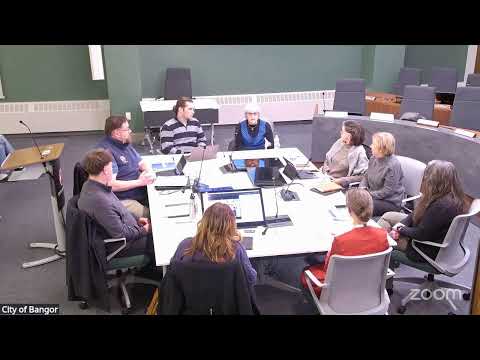
City staff and councilors spent the bulk of the meeting debating plans for the railroad encampment the city intends to clear, with a target date of Dec. 19. Outreach teams reported inventorying 37 sites along the tracks and speaking with about 18–20 individuals; staff and police officers told the committee that many people are connected to services and that the primary barrier to rehousing remains finding available housing units.
"Their plan is to continue daily to revisit and start, hopefully speaking with everyone at some one‑on‑one about the plans for removing the encampment from that space," Speaker 5 said, explaining outreach activities.
Public comment drew several speakers who urged the council to pause the sweep and pursue alternative approaches. Amy Clark, a resident and board chair of the Maine Recovery Action Project, warned that displacement can interrupt harm‑reduction services and cited county HIV case counts: "Bangor is currently at the center of Maine's largest HIV outbreak with 30 confirmed cases in Penobscot County as of 11/26/2025," she said, and recommended a pause so the city could designate an allowable encampment while rolling out longer‑term low‑barrier shelters and wraparound services.
Shane Boyes, vice chair of the Advisory Committee on Racial Equity, Inclusion and Human Rights, also urged a pause and said the advisory committee should have been consulted before the issue reached the full council. Councilors and staff discussed several practical options — day spaces, sanctioned encampments with on‑site services, warming shelters and campgrounds — and stressed the need for clear definitions of what the city considers a "safe" alternative and how many people temporary sites could accommodate.
Councilors asked staff to identify potential city‑owned and partner sites to consider as sanctioned locations and requested short‑term cost estimates and return to the committee quickly. Several members emphasized safety risks of the railroad location, especially during winter months, and the difficulty of finding landlords willing to accept voucher holders.
Why it matters: The decision affects people currently living along active railroad tracks and could influence local public‑health outcomes during an HIV cluster and an elevated overdose rate, according to public commenters. The committee’s choices — pause, sweep, sanction a site or create day spaces — carry tradeoffs between immediate safety concerns and continuity of care.
What’s next: Staff were directed to identify potential sites and return with options and cost estimates; the committee asked for regular updates and indicated a willingness to use opioid settlement and other local funds as part of the solution.