Get Full Government Meeting Transcripts, Videos, & Alerts Forever!
Get email alerts on the Municipal Finance topic
No spam. Unsubscribe anytime.
El Paso reviews hotel-occupancy tax delinquencies as audits, collections continue
Summary
City staff told the council they are pursuing hotel-occupancy tax delinquencies through a layered audit-and-collection process and legal referrals; officials promised quarterly public reporting and a plain-language FAQ to explain timelines and outcomes.
El Paso city staff told the City Council on Nov. 18 that an ongoing audit program has identified delinquent hotel-occupancy tax accounts and that the city is pursuing collections through a stepped process of audits, comptroller outreach and, when needed, external legal action.
Councilmember Art Fierro pulled the notation of delinquent hotel-occupancy taxes for transparency. City staff and outside counsel outlined the process: an outsourced internal-audit contractor reviews hotel records on a rotating basis, identifies possible underpayments, notifies owners and routes disputed cases to re-audit or to the office of the comptroller. If outreach fails, accounts are referred to an external collection firm that typically sends demand letters and, when necessary, files suit; counsel said litigation may seek injunctions and can take months in discovery. Jose Padilla of Delgado Acosta, the city’s collection counsel, told council that demand letters are effective and that only unresponsive accounts proceed to litigation, which can include requests for judicial remedies such as injunctions to compel payment.
Councilmembers pressed for detail on the largest accounts and on timelines. Staff said some large balances are already with an outside collection agency and in discovery; others are with the comptroller and still subject to re-audit by hotels that request it. The city said interest continues to accrue on outstanding balances, increasing what hotels ultimately owe. City staff agreed to post quarterly notations of delinquencies and to produce a publicly accessible FAQ that explains how much has been collected, the stages of the collection process, and the legal steps that can follow.
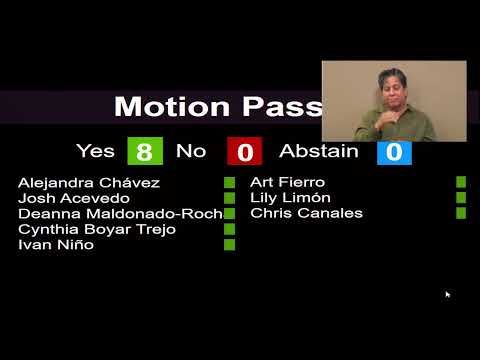
No changes to policy were enacted; the council approved the consent agenda and accepted the notation. Council members said the public would benefit from clearer reporting and urged the administration to make the FAQ easy to find and to include straightforward figures where possible.
What’s next: staff will publish quarterly updates and develop an FAQ intended to answer residents’ frequent questions about amounts collected, audit scope, and typical timelines for resolution.