Get Full Government Meeting Transcripts, Videos, & Alerts Forever!
Get email alerts on the Zoning Unified Development Ordinance topic
No spam. Unsubscribe anytime.
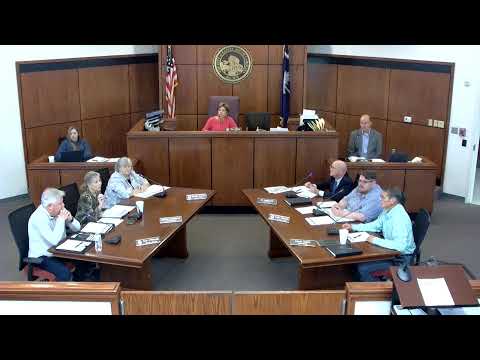
Easley council adopts Unified Development Ordinance 5–2 amid objections about public notice and attorney review
Summary
By a 5–2 vote, the City of Easley adopted a new Unified Development Ordinance replacing the existing zoning code. Councilman Alexander opposed the ordinance, saying the public had little time to review the posted document and that the city attorney had not reviewed the resolution.
The City of Easley City Council voted 5–2 to repeal its existing zoning ordinance and adopt a new Unified Development Ordinance (Ordinance 2025-11), a measure council members described as the result of extensive work by the planning commission.
Councilman Alexander said he would vote no, arguing the public had not seen the version before the meeting and that the accompanying resolution had not been reviewed by the city attorney. “The public has not seen this document,” he said, and added, “The resolution also was not reviewed by the city attorney. I do not believe that this is properly before us.”
Supporters said the planning commission had done substantial work on the draft and that the ordinance had been discussed in the council’s work session. The mayor called for a vote after brief discussion; five council members raised hands in favor and two opposed. The council did not record individual roll-call votes in the transcript beyond the count of five in favor and two against.
Why it matters: The Unified Development Ordinance consolidates the city’s zoning and land-development regulations into a single document that will guide growth, subdivision review, and permitting. Council members and staff framed the measure as a major step in implementing the city’s growth-management strategy following a development moratorium.
What was contested: Objections centered on process rather than policy. Councilman Alexander and at least one other member said the public had insufficient time to review the most recently posted draft and raised questions about whether the city attorney had formally reviewed the resolution before the vote. The council proceeded to vote despite those objections and adopted the ordinance as amended.
What’s next: The ordinance was adopted on second reading. Implementation details — such as which staff will serve in administrative roles under the new code — were discussed as potentially changeable going forward (the council noted that positions such as zoning administrator or building official could change).