Get Full Government Meeting Transcripts, Videos, & Alerts Forever!
Get email alerts on the Subdivision And Zoning Policy topic
No spam. Unsubscribe anytime.
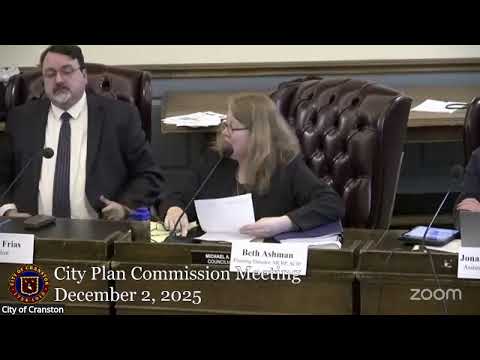
Planners debate subdivision‑reg overhaul, proposed fee increases and 15% inclusionary zoning tied to 2025 state law
Summary
Staff briefed the commission on draft subdivision regulation revisions tied to 2025 state law changes, proposed a 25% increase in planning fees citing state statute 45‑23‑58, and presented a draft inclusionary zoning rule that would require 15% deed‑restricted affordable units for multifamily projects of 10+ units under the Low and Moderate Income Act (LMIA) of 2025.
Planning staff presented a package of proposed changes to the city's subdivision regulations and zoning ordinances driven in part by legislative changes enacted in 2025. Key items included reclassification of many oversized‑lot subdivisions as minor unless they require a variance or street extension, making pre‑application meetings optional for applicants, moving certain state permit requirements to the final plan stage, and extending the expiration period for final plan approvals for major subdivisions to two years (with existing by‑right extensions preserved).
Staff also described two locally proposed requirements: mandatory streetlights in new developments unless waived in writing by the city engineer or director of public works, and a requirement for underground water tanks (cisterns) in subdivisions without public water to support fire protection.
On zoning fees, staff and the chair argued fees have not changed since 2007 while the planning department budget rose about 44% and inflation rose roughly 51%. Staff proposed a 25% across‑the‑board increase in certain fees and cited R.I. Gen. Laws 45‑23‑58 as statutory authority allowing municipalities to set reasonable fees to recover review costs. Commissioners debated fee structure (flat fees plus per‑unit charges versus tiered or square‑foot approaches) and the legal tests tying fees to actual review costs.
On inclusionary zoning, staff presented a draft ordinance to add a 15% deed‑restricted affordable unit requirement for multifamily projects of 10 units or more to comply with the Low and Moderate Income Act of 2025; density bonuses and other incentives were proposed to make compliance feasible. Commissioners and public commenters raised concerns about threshold effects for small projects, potential exemptions or waivers for projects with extraordinary costs (for example historic conversions), and equity implications if only multifamily developments are covered.
Public commenter Annette Bourne urged the commission to consult the broader inclusionary‑housing literature and cautioned that limiting requirements to multifamily projects could undermine equitable distribution of affordable housing across the city.