Get Full Government Meeting Transcripts, Videos, & Alerts Forever!
Get email alerts on the Secondary Programs topic
No spam. Unsubscribe anytime.
District outlines multi‑year plan to create eight career academies for high school students
Summary
The district's director of career and community partnerships proposed an eight‑academy model for grades 10–12, phased across several years with a planned grade‑9 transition in 2027–28. The plan emphasizes employer partnerships, industry credentials and work‑based learning but raises facility, transportation and staffing questions.
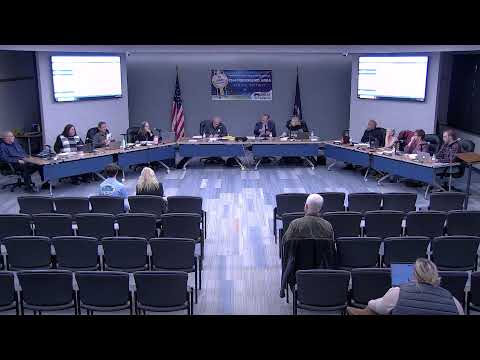
The Chambersburg Area School District presented a multi‑year plan Nov. 18 to create career academies intended to link high‑school academics with industry credentials and employer partnerships.
Bridal Aker, the district’s director of career and community partnerships, told the board the administration’s recommendation is to develop eight academies for grades 10–12—four academies at the Career Magnet School and four at the comprehensive high school. Aker said the model would be year‑round and designed from county labor demand and data that project sustained need for certain credentials over the next decade.
Aker outlined a phased timeline: in 2027–28, the district would transition all ninth‑grade students to the high school platform that supports the academies; in 2028–29 students who attend the Franklin County Career and Technical Center would split semesters between that center and the high school for academics; broader implementation steps would continue through the 2030–31 timeframe. Aker said the goal is for academy rosters to hold roughly 120–150 students each and for students to graduate with industry‑recognized credentials, work‑based learning experiences and opportunities for college credit.
Board members asked practical questions about equitable access and community partnerships. Aker said the district plans an application process for academy access and is already building relationships with local employers and post‑secondary partners; he also said some students who don’t fit an academy track could be served with a foundational studies option. The board discussed transportation, facility implications and the need to protect existing Career Tech Center relationships so offerings are complementary rather than duplicative.
What happens next: administration said it will continue detailed planning with faculty and directors, develop course sequences and staffing plans, and return with more precise academic schedules, facility implications and implementation recommendations for board review.
Representative quotes: Aker said administrators are "planning here hopefully in about December to send out an invite to all the partners" and that "our goal is to have academies that have at least 120 students and no more than 150."