Kenai planning staff to draft rules after work session on tent camping in residential areas
Loading...
Summary
Planning staff told the Planning & Zoning Commission they will draft definitions and possible code language for tent camping after residents reported long‑term camping on small residential lots; the commission focused on definitions, sanitary facilities and when a group of tents becomes a 'campground.'
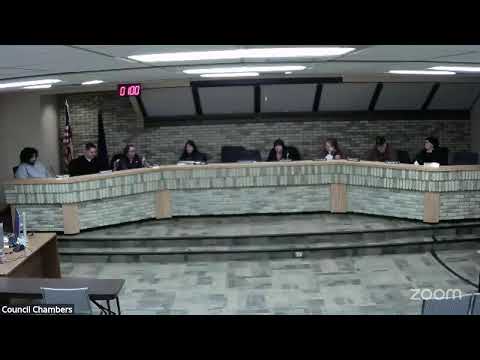
Planning staff briefed the Kenai Planning & Zoning Commission on Nov. 12 on reports of tent camping on private lots and outlined options for the commission to consider before returning with draft language.
Planning Director Ken Biena opened the work session by saying the issue was raised over the summer and that there is currently limited code specifically addressing tent camping. Biena told commissioners staff identified a few existing provisions that could apply, notably a sanitary-facilities requirement (cited in the record as KMC 13.10.06), and that recreational vehicles (RVs) are regulated elsewhere in Title 14 while camping on public property is addressed in Title 18. He emphasized the presentation was a starting point and not a set of recommendations.
Commissioners and staff focused on definitional questions they said are central to any enforceable rule: how to define a tent or temporary dwelling; when multiple tents or temporary structures on a single lot should be classified as a campground; whether duration (days of occupancy) should trigger different rules; and how family or noncommercial uses should be treated. Commissioners asked for thresholds by lot size and noted the city’s smallest buildable lots run around 7,200–7,500 square feet, while some rural lots approach an acre and would support water and septic.
Safety and sanitation also framed the discussion. Biena pointed to KMC provisions that require access to sanitary facilities for campers and noted the city and Parks & Recreation already permit temporary camping tied to events (for example the dip net fishery), with temporary dumpsters and porta‑potties used there. Commissioners asked whether fire containment rules and burn‑ban authority (under the fire department) should be explicitly cross-referenced in any new camping chapter.
Enforcement concerns surfaced repeatedly: staff said many problematic structures and clearings have occurred without building permits, and that single‑family lots currently fall into gray areas because site-plan triggers apply only to multi‑family or commercial development. Commissioners discussed linking any temporary‑shelter rules to existing accessory‑structure, site‑plan and building‑permit thresholds to reduce loopholes.
Biena summarized next steps: staff will draft proposed definitions (for example “temporary dwelling” and what constitutes a campground), propose where the language should sit in the municipal code (staff suggested near the RV chapter in Title 14 so related rules are adjacent), and return to the commission for further work sessions. He said the drafts would include possible duration limits, sanitation and trash requirements, and options for family exemptions or limits on charging fees. No formal action was taken; staff will develop a recommendation for future meetings.