Residents urge Long Beach to step up code enforcement and address e-bike safety
Loading...
Summary
Two residents told the council the city is lax on enforcing fence, signage and mercantile-license rules and urged action; one said the city may be losing 'upwards of $500,000' annually from uncollected mercantile fees. Officials said state law limits local licensing of motor vehicles and noted staffing constraints for proactive enforcement.
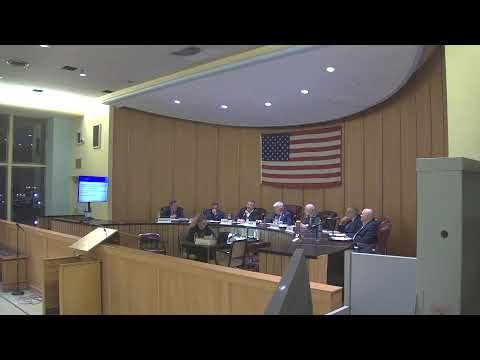
At the council’s first December meeting, two residents used the public-comment period to press Long Beach leaders to strengthen code enforcement and to address the safety threat posed by electric bikes.
Jacob Spellberg (the transcript also spells his surname later as 'Spielberg') told the council that the city’s "passive complaint-driven management" creates safety and financial risks. He said the building department is not enforcing fence-height rules and provided a list he said contains about 60 violations; he also alleged widespread noncompliance with illuminated-sign rules and said lax mercantile-license enforcement may be costing the city "upwards of $500,000 of recurring annual income." He handed council members a written plan for a mercantile-license modernization and asked to meet with the city manager or the appropriate department head to walk through the proposal.
Resident Eileen Hess thanked staff and community volunteers for a seniors’ Halloween event, asked when the police department would be moved back into its space (staff said furniture was expected this month) and raised safety concerns about electric bikes racing on streets and the boardwalk. Hess asked whether the city could require licensing or registration similar to measures mentioned in a recent Newsday article about actions in Suffolk County.
Deputy Corporation Counsel Joseph Lupo told the council that licensing of motor vehicles is governed by New York State vehicle and traffic law and that the city is preempted from imposing its own vehicle-licensing regime. Council members and staff said they will explore enforcement options, consider talking to state legislators and emphasized that the city’s 77 sworn officers work three tours — a staffing constraint that limits continuous proactive enforcement.
The residents’ complaints and requests were recorded in the public record; no formal enforcement action or new local ordinance was adopted at the meeting. Officials invited the commenters to follow up with staff for a more detailed review.
What to watch: Whether the city schedules a staff briefing or follow-up meeting to review the mercantile-license modernization plan and to provide a response on the fence- and sign-enforcement allegations.