
Monroe council hears update on opioid settlement spending, staff to review six new proposals
Get AI-powered insights, summaries, and transcripts
Subscribe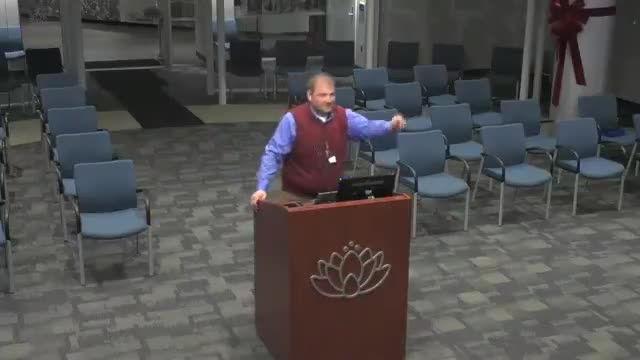
Summary
City staff told the council the city distributed roughly $102,180 to local programs from accumulated opioid settlement funds, highlighted program outcomes, and said six new proposals totaling about $186,800 will be reviewed for next year’s awards.
Monroe — City staff updated the Monroe City Council on how the city has used opioid settlement funds and on a new round of proposals for the next funding year.
Mark Cochran, assistant city manager and director of economic and community development, told the council the city had accumulated settlement funds and issued two rounds of requests for proposals after council authorization. “Last year in 2024 we had $256,000 available,” Cochran said, and staff used that pool to award one‑time grants intended as supplements to existing programs rather than ongoing operating support.
Cochran summarized national settlement totals and local distribution rules, noting the state and local allocations come from multiple settlements. He said the city’s awards must meet the settlements’ definitions of “opioid remediation” and be evidence‑based; Exhibit E from the Attorney General’s office defines allowable uses and staff have applied those limits in scoring applications.
Staff reported the city funded five of six applicants in the prior cycle, distributing about $102,180 in 2024. Cochran listed the programs and amounts the council funded and the outcomes reported in quarterly submissions: MCOP was awarded $20,000 for the Keeping It Real youth curriculum and mentoring; Monroe High and Monroe Middle received $40,000 for Project Success, a suspension‑alternative program, and reported a 43% drop in detection alerts; Salus Center for Hope received $7,200 for postpartum support targeting six individuals; Recovery Advocacy Warriors received about $17,700 to establish locally available CCAR peer‑support trainer capacity; and Paula’s House received $17,000 to provide prevention services to children of residents.
Cochran explained awards are reimbursement‑based, not direct checks: agencies pay invoices, submit proof, and the city reimburses eligible expenses. He told council that, because settlement allocations will decline to an annual formula, the city expects roughly $40,000–$50,000 annually going forward and therefore seeks to fund one‑time projects and sustainable capacity building rather than start new programs dependent on ongoing settlement dollars.
Council members questioned measurement approaches for prevention work and possible overlap with county and state funding. Cochran said some local agencies also receive state or regional funds — for example, MCOP received community‑center funding through the regional CMHPSM — and staff consider past stewardship, past outcomes and whether a proposal duplicates other funding when scoring applications.
On next steps, Cochran said staff issued the RFP for the coming year (sent in October, due Nov. 28) and received six proposals this cycle totaling about $186,800. He said staff will review proposals using the scoring rubric, check eligibility against the settlement language, and present funding recommendations to council at the next meeting. “We’ll be reviewing the applications in the coming weeks to make a recommendation to City Council at your next meeting,” Cochran said.
The council had no immediate objections to the process and accepted the regular quarterly reports for further review. The city will present staff recommendations and any proposed awards at a future meeting.