Get Full Government Meeting Transcripts, Videos, & Alerts Forever!
Get email alerts on the Development Pids topic
No spam. Unsubscribe anytime.
Developers describe Morgan Farms and Morningside development financing; PID administrator explains assessments
Summary
Developers and the PID administrator explained how Public Improvement Districts for Morgan Farms and Morningside will use property assessments — not city taxes — to fund streets, water and sewer infrastructure, and described lot counts, financing options and buyer disclosure requirements.
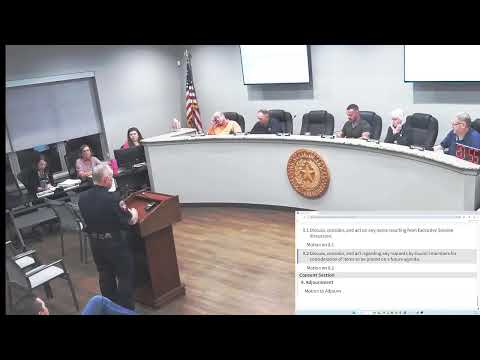
Developers for Morgan Farms and Morningside and the city's PID administrator gave a detailed presentation to the Josephine City Council about how two Public Improvement Districts (PIDs) will be used to finance infrastructure for upcoming subdivisions.
Representatives from Brightland Homes (soon to be DRB Group) and Meritage Homes outlined project scale and timing: Morgan Farms includes roughly 413 lots with an estimated build-out of about 310 homes for the first phases; Morningside is roughly a 55-acre tract with approximately 215 lots. Both developments are under active construction and infrastructure work is advancing.
P3 Works, the PID administrator, explained PIDs are created under Chapter 372 of the Texas Local Government Code and are assessments placed on benefiting properties to fund infrastructure. The administrator stressed assessments are not general ad valorem taxes; instead, they are liens on properties that may be paid in installments or in full and can secure bonds or reimburse developers depending on the financing approach — options include pay-as-you-go assessments, reimbursement bonds or upfront bonds sold to fund construction.
Council members pressed on buyer disclosure and homeowner notice obligations. Presenters said Texas Real Estate Commission purchase-contract forms and property-code disclosures require notifying buyers they are purchasing property subject to PID assessments. The administrator emphasized annual reporting duties and a homeowner-lookup process to answer resident questions about assessments.
Council discussed utility capacity and water studies; developers said water studies are included in their engineering fees and their lots are being designed to meet the city’s standards. Questions about oversizing pipes, developer costs, maintenance bonds and the city’s role in ensuring designs meet future growth were addressed: presenters said development agreements negotiate oversizing where necessary and that constructions are subject to the city's engineering standards and inspections.
Council asked for continued clarity on financing, fees listed in the development agreements (off-site water/sewer fees and capital recovery fees), and next steps for levying any assessments; staff said no assessments had been levied yet and that statutory procedures and further administrative checks remain before assessments are imposed.