Get Full Government Meeting Transcripts, Videos, & Alerts Forever!
Get email alerts on the Elections topic
No spam. Unsubscribe anytime.
North Augusta staff and council back proposal to move city elections to November federal cycle
Summary
City staff presented a draft ordinance to shift North Augusta’s general elections from May to November of even-numbered years, citing cost savings and higher turnout; council members broadly signaled support while staff seeks a formal attorney general opinion and will place a first reading on next week’s agenda.
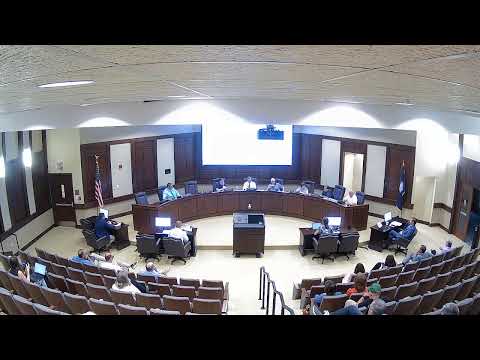
City staff asked the North Augusta City Council on Oct. 13 to consider moving the city’s general elections from the current May date to the first Tuesday after the first Monday in November of even-numbered years, a change intended to align municipal contests with federal elections.
City Administrator Jim Clifford and staff said the move could reduce the city’s direct election costs — which staff estimated in the range of $10,000–$14,000 to run an off-cycle general election — and increase voter participation because federal-election turnout is typically higher. The draft ordinance presented to council states: “All general elections for mayor and members of the city council shall be held on the first Tuesday following the first Monday in November in even-numbered years.”
Kelly (staff) told the council that attorney-general opinions dating back to about 2000 generally support municipal authority to set election dates, and that changing the dates requires an adjustment in term lengths (staff proposed trimming six months from current terms so elections fall on the federal calendar). She also said staff has requested a formal opinion from the state attorney general to confirm whether any preclearance would be required; staff said it is 90% confident no preclearance is necessary but will confirm.
Council members across the chamber spoke in favor. One member said the change would cut confusion caused by consolidated polling locations and make it easier for working voters to cast ballots; another said higher turnout was worth a six-month reduction in current council terms. Several council members told the meeting they supported nonpartisan local ballots and argued the change would encourage broader participation without favoring a party.
Clifford told council the item will be formally placed on the agenda for next week as an ordinance requiring two readings before adoption. No vote to adopt the ordinance occurred at the Oct. 13 study session; council members asked staff to continue work on draft language and to provide the attorney-general opinion when it is available.
The next procedural step is the formal first reading at the regular council meeting next week and receipt of the AG’s guidance; council members may amend the ordinance before a second reading and final vote.