Get Full Government Meeting Transcripts, Videos, & Alerts Forever!
Get email alerts on the Public Safety topic
No spam. Unsubscribe anytime.
Lewiston fire chief outlines EMS system, contracts and funding pressures
Summary
Fire Chief Greg Ray Meyer briefed council on EMS history, staffing standards, revenue partnerships and ground emergency medical transport (GEMT) reimbursements; he described contract negotiations with neighboring counties, weekly unit‑availability constraints and the operational tradeoffs of regional mutual‑aid arrangements.
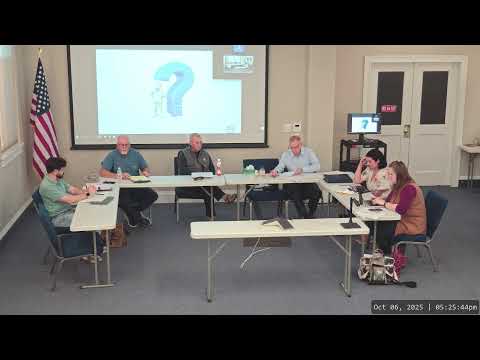
Lewiston Fire Chief Greg Ray Meyer gave the City Council a broad briefing on the local EMS system, including staffing models, revenue sources, federal/state reimbursement programs and upcoming contract work with partner counties.
Meyer reviewed regional EMS history and noted the system’s progression from volunteer and mixed providers to licensed paramedic services. He described the current resource deployment model (three staffed Lewiston medic units at staffed stations plus partner coverage) and said the department follows National Fire Protection Association guidance for staffing targets.
On finance, Meyer said the city now receives a mix of revenues from service contracts with partner jurisdictions and transport fees; he described the federal/state GEMT program used to recover Medicaid shortfalls and the agency’s experience with audits. The department contracts with a firm (PCG) to prepare GEMT and audit documentation after a statewide audit effort found inconsistencies; Meyer said recent contract adjustments produced roughly $180,000 in increased county contract revenue for the city.
Meyer acknowledged operational constraints: roughly once per week the system may have no medic unit available, requiring deferred low‑acuity transports or partner response; multiple concurrent calls increase wear on vehicles and strain staffing. Councilors pressed on response times, station siting (noting a medic stationed in the Assotin County/Clarkston area), and the need for transparent cost models and performance benchmarks. Meyer said time‑study analysis, call volumes, response times and unit utilization metrics feed contract models and that the department is improving data collection while historical gaps remain.
Meyer outlined upcoming contract items on council agendas (Assotin County rural EMS district and Assotin County Fire District 1) and invited councilors to direct follow‑up questions to staff as the city prepares contract approvals.