Get Full Government Meeting Transcripts, Videos, & Alerts Forever!
Get email alerts on the Land Use Variance topic
No spam. Unsubscribe anytime.
Oregon City planning commission affirms variance for McKnight lot after LUBA remand
Summary
The Commission voted to deny the appeal and approve variance VR 99-07 for James McKnight at 161 Barclay Ave., finding the remanded issues (Criterion C prong 2 and Criterion F) were satisfied; written findings will be prepared with counsel and returned for adoption on Sept. 24.
The Oregon City Planning Commission voted to deny the appeal (00-03) and approve variance VR 99-07, restoring a previously contested decision affecting James McKnight’s property at 161 Barclay Avenue.
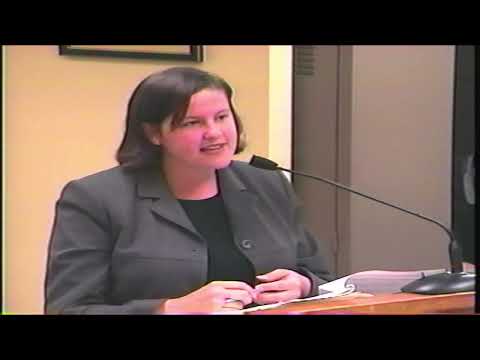
Attorney Jill Long, representing applicants Jim and Diane McKnight, told the commission the remand from the Land Use Board of Appeals left only two narrow issues: whether the applicant’s hardship was more than a monetary inconvenience (Criterion C, prong 2) and whether the variance conforms to the city’s comprehensive plan (Criterion F). "These circumstances provide evidence that prong 2 of Criterion C has been met," Long said, describing an August 1998 pre-application meeting in which her client relied on planning staff guidance.
Petitioner Linda Lord, who identified herself in the hearing as a petitioner in Reagan v. Oregon City, urged commissioners to consider procedural fairness and equal-protection concerns and submitted an affidavit from Tamara de Ridder. "A variance process that approves a land use application when that land use application has never been deliberated on by any authorized city body is a failed process," Lord said, urging that the record include appellate materials. Neighbor Mark Reagan questioned whether the hardship was self-imposed and noted a letter from Charles Leeson offering to buy the lot back.
Deliberations centered on two strands: (1) factual reliance and timing — the applicant purchased the property in 1991 and participants described a 1998 pre-application meeting that, they said, created expectations about the applicable rules — and (2) whether the comprehensive plan’s infill and housing policies apply in this neighborhood context without changing its character. Commissioners examined lot metrics cited in the record (the subject parcel is described in the staff report as approximately 10,020 square feet and substandard only by depth) and reviewed neighborhood covenants. The city attorney noted that LUBA had affirmed most variance criteria and remanded only the two issues now before the commission.
Commissioner Maine moved to deny appeal 00-03 and approve variance 99-07, saying the commission found that Criterion C (prong 2) and Criterion F were satisfied in this case. The motion directed that the findings be reduced to writing and prepared in coordination between the applicant’s attorney and the city attorney for formal review and adoption at a later meeting. The commission set a date-certain return of the written findings for the meeting on Sept. 24. The motion carried in the roll call recorded at the meeting.
The meeting record will include the Tamara de Ridder affidavit and other submitted exhibits; the commission also noted that private covenants (CC&Rs) referenced during testimony are enforceable between private parties but are not enforced by the city. The chair emphasized the commission’s role in weighing the comprehensive plan goals and the public interest when resolving variance requests.
Next steps: city and applicant counsel will prepare written findings based on tonight’s deliberations and return them to the planning commission for formal review on Sept. 24.