Get Full Government Meeting Transcripts, Videos, & Alerts Forever!
Get email alerts on the Biomass Plant topic
No spam. Unsubscribe anytime.
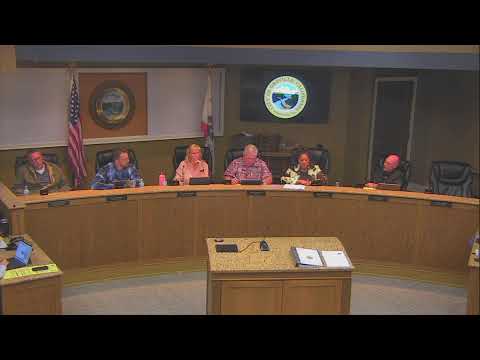
Oroville council hears technical briefing on biomass and biofuel operations; feedstock, emissions and tracking flagged
Summary
City staff and a visiting presenter described gasification and biomass systems and said the proposed Oroville plant would use forest products only; commenters and council members pressed for strict feedstock tracking, advanced pollution controls and independent legal review of any power-purchase agreement.
City council members on the Oroville City Council received a detailed briefing on biomass and biofuel technologies and site visits to operating plants, and discussed safeguards for a proposed facility that staff say would accept only forest-product feedstock. Presenters described gasification, ceramic filtration systems and enzyme-based bioethanol processes observed at operating plants and said operators can and do track incoming wood by an RFD code "so when a tree is cut, it's labeled" and traced through processing.
The presentation matters because Oroville has been identified as part of a broader biomass and bioeconomy development zone, and council members and public speakers said they want guarantees the local project will not accept mixed municipal waste or other materials that could increase emissions. "My 1 recommendation to the city would be that the power purchase agreement be negotiated by a law firm experienced in creating them," public commenter Skipper Clark told the council.
Staff and the presenter (who toured multiple facilities) said typical controls include robust feedstock tracking, ceramic filtration "candles" in dust and gas filtration systems and, in some facilities, regenerative thermal oxidizers to control volatile emissions. The presenter said the plant he visited showed little visible emissions at the stack and described the interior filtration: "That plant is fully running right there...you can see there's nothing visible coming up." He also described a process that labels logs and tracks them through shredding and fueling the gasifier.
Council members asked specific questions about how the city will ensure only forest products reach the local plant and how operators will handle wet sawdust or pile management during rain. Staff said the operator proposed a cradle-to-grave tracking system to identify origin and truck manifest for material entering the site. The presenter described training, community tours and a plan to use the local site as a working lab and public viewing station to increase transparency.
The council did not take a formal action on a specific contract or agreement for the project during the meeting; staff said forthcoming materials and redlined contracts or power-purchase agreement language will be provided for future public review and that town-hall style follow-ups are planned. The city also discussed hosting a focused workshop on the project on December 8 at Stream Charter School to provide more detail to the public.
Next steps: staff and the project proponents are expected to return with more detailed contractual language, redline copies of regulatory or code references, and opportunities for public review at a future meeting.