Get Full Government Meeting Transcripts, Videos, & Alerts Forever!
Get email alerts on the Land Use Zoning topic
No spam. Unsubscribe anytime.
Saint Mary's council begins work on zoning rules for AI/data centers, citing grid and noise concerns
Summary
Councilors asked the solicitor to draft zoning language to regulate large AI/data centers after a lengthy discussion about heavy electric demand, water and cooling needs, noise from fans and generators, and the need to tie any incentives to long-term community benefits.
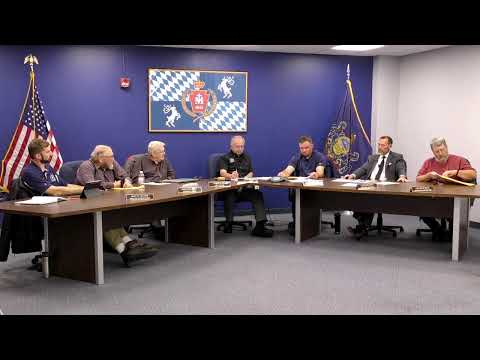
Councilors in Saint Mary's spent a substantial portion of Tuesday's meeting discussing whether and how to amend the city's zoning ordinance to address large AI and data-center facilities.
Council member Shane framed the conversation by describing data centers as the "physical infrastructure of the Internet" and warned that modern artificial-intelligence workloads can make such facilities "power hungry." He said some large facilities can demand "100 megawatts of power," a figure he said is "the same load as about 80,000 houses," and urged rules that would protect quality of life, set mandatory noise limits, require setbacks from residential areas, and force developers to bear the cost of any necessary grid upgrades.
Members raised additional concerns including continuous industrial noise from cooling fans and periodic testing of backup diesel generators, heavy cooling-water needs, and the potential for long-term tax abatements that could deliver limited local employment once construction ends. One councilor cited an example in Washington state where utility and infrastructure changes ultimately shifted costs to residential ratepayers after large facilities drew more power than initially anticipated.
Council asked the solicitor to prepare model ordinance language for consideration and public hearing; counsel offered to draft a proposed ordinance and then refer it to the planning commission and the statutory public-hearing process. Councilors also discussed whether such uses should be permitted only as a special use or require conditional-use approval so the council or zoning board retains discretion on a case-by-case basis.
No ordinance was adopted; councilors directed staff and counsel to draft language for future consideration and public hearing, and said they expect the process to take multiple meetings before any formal vote.
Council members said they want rules that require verifiable renewable-energy sourcing or highly efficient closed-loop cooling systems where feasible, and that any local incentives be conditioned on demonstrable, long-term community benefits.