Get Full Government Meeting Transcripts, Videos, & Alerts Forever!
Get email alerts on the Wildlife Management topic
No spam. Unsubscribe anytime.
DEC presents deer management options to Tonawanda; public urges data and action
Summary
A New York State DEC big-game biologist outlined options including vulnerability reduction, targeted hunting seasons, deer-damage permits ("bait-and-shoot"), and capture/euthanasia; residents described extensive yard damage and asked about collision data and implementation costs, while DEC urged a community plan with public engagement.
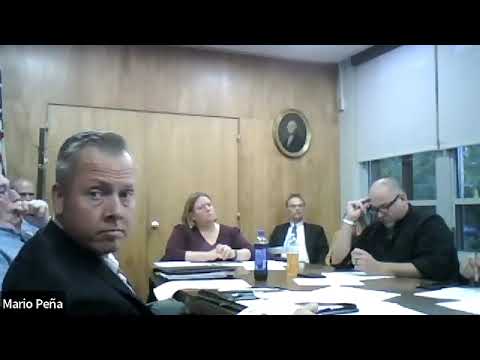
The City of Tonawanda hosted an informational session with a region 9 DEC big-game biologist who outlined the history and biology of white-tailed deer and described municipal options for managing deer conflicts.
The presenter (identified in the meeting as a region 9 DEC biologist) explained that municipalities may pursue vulnerability-reduction steps (education, deterrents, plantings, signage), targeted recreational hunting or expanded tags (deer-management assistance programs), and deer-damage permits that allow coordinated removal (sometimes called bait-and-shoot, sharpshooting or sharpshooting programs) where hunting seasons are insufficient. He said some population-removal options are constrained in this management unit (Zone 9C) by state law and local regulations and that relocation is generally not a practical solution.
Residents who spoke during the Q&A described severe yard and garden damage, collisions, and recurring nuisance behavior; one commenter said he routinely sees dozens of deer in certain fields, and several residents said they had tried repellents and physical barriers without success. Questions focused on whether the city has collision data, the costs of removal programs, liability and safety if firearms are used, and how permits and season adjustments would be administered.
The DEC presenter recommended a community-driven deer-management plan that sets objectives (for example, reducing vehicle collisions or protecting specific plantings), identifies tools that are feasible locally, outlines monitoring and evaluation metrics, and requires annual reassessment. He cautioned that removal programs take planning, reporting and oversight and are typically reevaluated annually.
Council and staff said they would collect relevant collision and complaint data, consider signage and public education steps, and use the DEC's guidance to inform any future formal actions. No legislative action was taken at the meeting; the session was explicitly framed as educational and as a first step to determine whether the community wishes to pursue a formal management plan.