Get Full Government Meeting Transcripts, Videos, & Alerts Forever!
Get email alerts on the Design Guidance topic
No spam. Unsubscribe anytime.
Westminster commissioners advise muted historic colors for 1500 West Main Street
Summary
Commissioners reviewed design input for 1500 West Main Street and recommended muted, historically compatible paint colors—keeping sills and windows light rather than black—and encouraged the owner to apply for design-improvement programs and available tax credits.
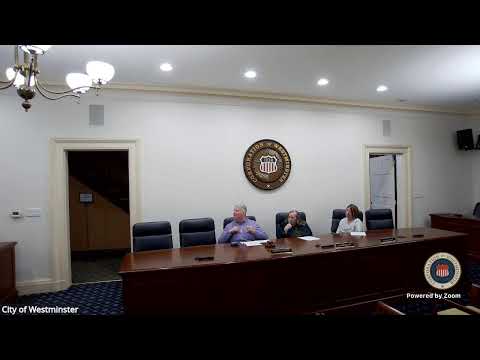
At a Nov. 5 meeting, the Westminster Historic District Commission provided design guidance to the owner of 1500 West Main Street on paint color and façade treatment but took no formal vote. Staff (Lauren, Speaker 2) said the owners could return with formal applications and that the commission's design-improvement resources were available.
Commissioners emphasized the district's historic character and generally recommended muted tones. Chair (Speaker 1) said keeping sills and window frames white aligns with historic precedent, while other commissioners warned that the modern trend of blackening windows is "counter to our community." Commissioners discussed whether brick had been painted historically, long-term maintenance of painted brick, and the likelihood of repeated repainting if brick is painted.
One commissioner observed that some early photographs show unpainted brick and that painting brick can accelerate maintenance needs because bricks "need to breathe." Staff encouraged phased work on the building and noted the owner is pursuing interior and upper-floor rehabilitation first, with first-floor commercial tenant space to follow.
The commission advised the owner to consider colors that "don't make you stop traffic" at a busy corner and suggested drawing inspiration from neighboring buildings. Staff said they would assist with design-improvement applications and with any tax-credit options available for interior rehabilitation. No formal action was taken; staff invited the owners to return with samples and, if desired, apply to the city's design-improvement or tax-credit programs.