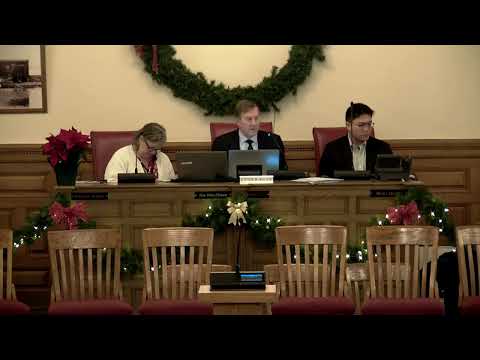
Neighbors and applicant clash over small greenhouse factory; Planning Commission defers decision
Loading...
Summary
The Planning Commission heard heated public comment on a proposed 3,600-square-foot light manufacturing plant at 2956–2964 E. Genesee St.; neighbors raised zoning, traffic and visual-impact concerns and the commission said it will not act tonight while legal-code issues are clarified.
The Syracuse Planning Commission on the evening of the meeting heard extensive public comment on a proposed greenhouse-manufacturing facility at 2956–2964 East Genesee Street that the applicant described as a 3,600-square-foot light manufacturing plant to assemble automated 10-by-10 greenhouse units.
Applicant representatives, identified in discussion as Mr. Bose, told the commission the operation would be largely automated, produce roughly one unit per day (about 300 units a year when operating weekdays), and would not use carbon fuels inside the finished greenhouse units. He described the venture as a community-based “greenhouse-as-a-service” model that would include remote monitoring and maintenance support.
Neighbors raised multiple objections at the public hearing. Donna Stoner, who said she has lived near the site for decades, argued the parcel was intended for retail and support services and said recent zoning amendments would likely make the project ineligible under current MX standards. “I don’t think this proposal should have ever reached this stage,” Stoner said, citing traffic, drainage and the risk of creating a precedent for non-retail uses on the corridor.
Other residents said the location is wrong even if the business model is viable. “It’s a viable project, actually, but it’s in the wrong location,” said Kenel Antoine, who lives in Meadowbrook and said he regularly observes pedestrian and truck movements near the site.
Commission members pressed the applicant on specific mitigation measures. Commissioners questioned the proposed retaining wall, which the applicant described as varying in height due to slope but was cited in the presentation as roughly 9 feet (one speaker also referenced 9 feet 10 inches in an elevation discussion). The applicant said a 30-foot buffer of existing tall trees would remain on the south side to minimize visual impact, and that early production would be limited so deliveries would be modest. He told the commission that deliveries could be restricted to avoid school travel times and that the operation intends to avoid peak commuter traffic.
Legal counsel clarified a central regulatory point: the current special use permit process does not automatically “run with the land.” Counsel said the permit “is not transferable” and that, under the code amendments in effect for this application, the approval will be subject to renewal (the meeting referenced a 36-month renewal period for review and enforcement of permit conditions).
Several speakers supported the proposal as a green-technology startup. Richard Wood said the operations “are relatively modest, and can be tailored to be compatible with the neighborhood,” and urged the commission to support the entrepreneur. The applicant said he had met with neighbors on Nov. 15 to address concerns and emphasized local benefits and youth engagement in the project.
The commission closed public comment and announced it would not vote on the application at this meeting while members consult legal counsel about the implications of recent zoning-code amendments. No formal action was taken; the commission indicated the matter will return to a future agenda when outstanding code questions are resolved.