Consultants present 328‑acre Oregon City waterfront master plan; hearing continued to Oct. 22
Loading...
Summary
Consultants outlined a 328‑acre vision to reconnect Oregon City to the Willamette and Clackamas rivers with a promenade, mixed‑use nodes and habitat restoration. The commission continued the legislative hearing to Oct. 22 for further review and formal findings.
The Oregon City Planning Commission heard a detailed presentation from consultant teams on a proposed 328‑acre Oregon City waterfront master plan that would knit downtown back to the Willamette and Clackamas rivers, improve habitat, and create mixed‑use public spaces. After public comment and discussion, the commission continued the legislative hearing to 7 p.m. on Oct. 22 to receive staff findings and answer follow‑up questions.
Walker & Macy principal Mike Zylas described the plan area — from Fifth Street in downtown north to the confluence with the Clackamas River and east along the Clackamas to I‑205 — and emphasized objectives to repair habitat, connect open space, encourage mixed‑use redevelopment, and create a promenade and pedestrian and bicycle connections. Zylas noted substantial regulatory and physical constraints, including floodplain limits and wetlands, and encouraged partnerships with other public entities and owners.
Market analyst Dave Leland (Leland Consulting Group) said Oregon City has strong retail and housing markets but faces economic constraints where fill and floodplain issues require costly preparation. Leland urged a bold, coordinated implementation strategy that pairs many small projects with strong public‑private partnerships and recommended near‑term negotiations with the owner of the Oregon City Shopping Center (Pan Pacific) and hiring an economic development director to lead implementation.
Consultants described key components: a green framework and promenade linking downtown to the river and the Clackamas Park area; a mixed‑use node with housing, retail and possible hotel uses; marina upgrades and public parking; relocation or redesign of the RV park and potential re‑siting of certain public facilities such as the sheriff's station; trails and sports fields where appropriate; and an implementation timeline that phases near‑term projects and longer‑term infrastructure work. The record notes fill depths in parts of the site could be on the order of 15–20 feet, a constraint for redevelopment.
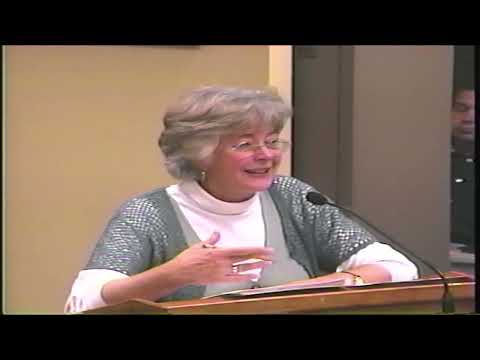
Public commenters from the Parks & Recreation Advisory Committee and members of the public generally praised the plan and stressed trails, habitat restoration and opportunities tied to regional tourism (including Lewis & Clark bicentennial events). Michael Mason (Parks & Rec chair) and Bill Daniels (committee member) supported using park projects and possible RV‑park relocations to accommodate visitors.
Commissioners asked about coordination with ODOT, potential costs and timeframes, and the need for regulatory changes to protect key parcels. Staff said consultants will return with formal findings and recommendations; the commission voted to continue the hearing to Oct. 22.
What happens next: staff and consultants will supply formal findings and recommended actions at the continued hearing on Oct. 22. The commission will then forward recommendations to the city commission with additional public hearings at the city level.