Get Full Government Meeting Transcripts, Videos, & Alerts Forever!
Get email alerts on the Trial Errors topic
No spam. Unsubscribe anytime.
Panel weighs claims that prosecutor’s closing remarks created miscarriage of justice
Summary
Appellate counsel argued pervasive improper remarks in closing argument, including alleged appeals to emotion and unsupported inferences that could have infected a guilty verdict; the Commonwealth acknowledged errors but contended the conviction remains supported. The court took the matter under advisement.
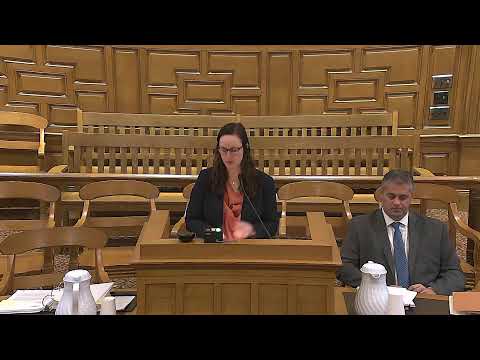
The appeals court heard argument in Commonwealth v. Francis Pena over whether the prosecutor’s closing argument contained so many improper statements that the guilty verdict sustained against the defendant posed a substantial risk of miscarriage of justice.
Appellate counsel Elizabeth Lazar pointed to repeated categories of alleged improprieties in the prosecutor’s closing, including statements implying special knowledge about how charges are brought and repeated inferences about the defendant’s intoxication that, she argued, were not supported by evidence. Lazar said the remarks were “so pervasive” that general jury instructions were inadequate and that specific corrective instructions were required to cure the prejudice.
The panel and counsel discussed whether the defendant’s failure to object at trial undercuts the claim and whether the presence of two acquittals in a three‑count trial affects the substantial‑risk analysis. Counsel for the Commonwealth acknowledged some overstatements in closing but argued that the record, including photographs and the victim’s testimony, supplied an adequate evidentiary basis for the conviction and that acquittals showed jurors were not simply overwhelmed.
Appellate counsel also raised double‑jeopardy concerns about retrial if the court were to remand for a new trial without clarity about which acts formed the basis of the guilty verdict. The Commonwealth and the panel debated how the multiple counts and limited record affect that analysis.
After extended questioning of counsel, the judges took the case under advisement.