Get Full Government Meeting Transcripts, Videos, & Alerts Forever!
Get email alerts on the Sexual Assault topic
No spam. Unsubscribe anytime.
Appeals court revisits required‑finding motion in indecent‑assault conviction
Summary
Defense argued the trial judge should have granted a required‑finding motion in Commonwealth v. Robert Bulgar, saying the evidence better supports an accidental touching theory; the Commonwealth said the victim’s testimony alone could support the jury verdict. The court took the case under advisement.
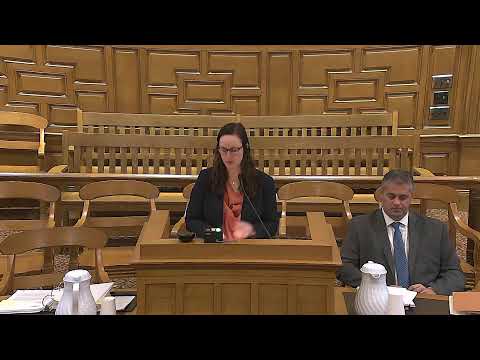
The appeals panel heard argument in the case of Commonwealth v. Robert Bulgar, an appeal of convictions for indecent assault and battery of a minor. Appellant counsel Daniel Ciccarolo contended the judge should have granted a motion for required findings because, he said, the record contained evidence supporting an accidental touching theory and undermining the victim’s credibility on key points (including the date and circumstances described).
Ciccarolo asked the court to view the judge as gatekeeper on required findings and to consider evidence from both sides before allowing the matter to go to the jury. “There was more evidence…to show that it was accidental rather than intentional,” he argued.
The panel questioned whether credibility determinations remain for juries; Justice Paul Smith and others emphasized that if the jury credited the victim’s testimony, that testimony alone would be sufficient to sustain the required elements. Jennifer Thompson, representing the Commonwealth, said the victim’s detailed testimony about the touching—placing a hand under a sports bra and leaving it until the victim left the room—was enough to satisfy the elements and to withstand a motion for required findings.
The court took the case under advisement and will issue a written decision after deliberation.