Get Full Government Meeting Transcripts, Videos, & Alerts Forever!
Get email alerts on the School Social Workers topic
No spam. Unsubscribe anytime.
Georgia school social workers urge targeted staffing, tiered approach and QBE recognition to reduce chronic absenteeism
Summary
Corey Lowe of the School Social Workers Association of Georgia told the committee that staffing gaps — a statewide average of one social worker per 1,100 students versus a recommended 1:250 — and community needs like food insecurity drive chronic absenteeism; SWAG recommended targeting high‑need counties and eventual recognition of social‑worker specializations under QBE.
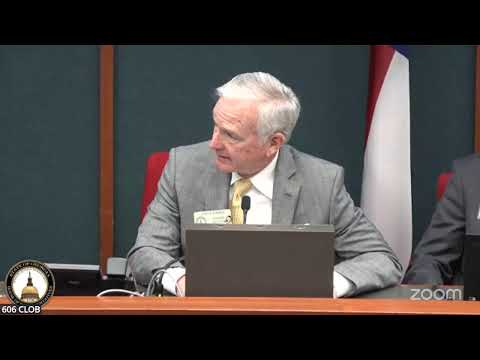
Corey Lowe, president of the School Social Workers Association of Georgia and a licensed clinical social worker in Walker County, told the Student Attendance and Chronic Absenteeism Study Committee that school social workers bridge home, school and community needs and that staffing shortages limit proactive prevention work.
Lowe said Georgia currently averages one school social worker for every 1,100 students while the national recommended ratio is about one for every 250 students. He urged a tiered strategy that targets counties with the highest chronic absenteeism first rather than an immediate statewide staffing goal.
Using Walker County’s ‘‘Making Sense of Attendance’’ initiative as an example, Lowe described early‑warning protocols (flagging at five unexcused absences, family visits at seven) and said the county reported a 29 percent reduction in unexcused absences and a seven‑point rise in third‑grade reading proficiency after implementing coordinated interventions and partnerships.
Lowe also framed absenteeism as a community problem exacerbated by food insecurity and the current SNAP crisis; he urged recognition and supplemental compensation for licensed clinical social workers (LCSWs) under Georgia’s QBE school funding formula to retain experienced clinicians and attract staff to rural areas.
Committee members asked the Georgia Department of Education and SWAG to produce county‑level overlays showing social‑worker staffing and outcomes; Lowe said a school social‑work dashboard exists on the GaDOE site and that the association would continue to work with DOE to refine and pull the requested data for the committee’s report.
Members also discussed workforce pipelines, Medicaid billing constraints, and how school nurses, counselors and social workers operate as a coordinated student‑services team. The committee did not take formal votes; members said they will use the presentations and data requests to shape the committee’s recommendations.