Get Full Government Meeting Transcripts, Videos, & Alerts Forever!
Get email alerts on the Literacy Coaching topic
No spam. Unsubscribe anytime.
Statewide 'Let’s Read Georgia' coaching network hires experienced literacy coaches
Summary
RESA directors described Let’s Read Georgia and a shared hiring, micro‑credential and coaching model intended to deliver consistent, regionally tailored literacy coaching to K–3 classrooms; directors reported about 122 coaches recruited and outlined micro‑credential assessments and regional supports.
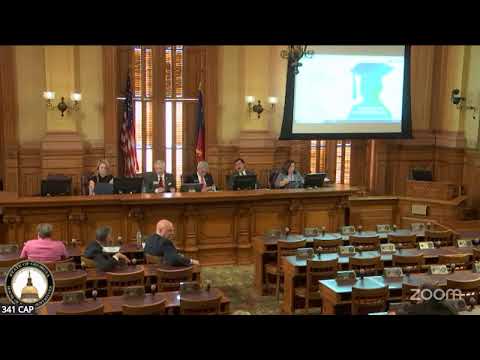
Leaders of Georgia’s regional education service agencies (RESA) told a joint House‑Senate education committee that the Let’s Read Georgia initiative has recruited a statewide coaching corps and built a standardized training and credentialing pathway for coaches.
RESA directors described adopting a shared job description, interview rubric and a three‑part micro‑credential designed to ensure coaches have knowledge of the science of reading, documented performance (videoed professional learning facilitation) and demonstrated coaching cycles. The network emphasized systems‑level thinking so coaches can work with schools and districts, not just in isolated classrooms.
Presenters said the statewide network had recruited more than 120 coaches drawn largely from veteran educators, literacy specialists and former instructional leaders; they reported that more than 70 percent of coaches hold an Ed.S. or higher and that many have 20+ years of elementary experience. Michelle Palmer, the Let’s Read Georgia lead coach, described the program’s two performance‑based assessments and a requirement that coaches complete a knowledge assessment and recorded coaching cycles before full deployment.
RESA speakers and district directors described varied implementation models: in smaller districts coaches frequently work teacher‑facing several days per week; in larger districts the state coaches work coach‑facing (coaching the district’s own coaches) and provide regional supports. Directors said the unified staffing standards and cross‑regional collaboration help maintain fidelity while allowing local tailoring.
What happens next: The RESA network will continue rolling out the micro‑credential, expand coach professional learning and coordinate with the Department of Education and other literacy programs to align messaging, curricula and coach work across districts.