Get Full Government Meeting Transcripts, Videos, & Alerts Forever!
Get email alerts on the Facilities Track topic
No spam. Unsubscribe anytime.
Cromwell board rejects proposal to spend surplus to fully fund new track after heated debate
Summary
After a lengthy discussion about budget risk and process, the Cromwell Board of Education voted against a motion to pay the remaining cost of a proposed new track from district surplus; facilities staff warned the vendor’s price would not be held past Dec. 15, prompting urgency but not enough support to override concerns about unpredictable special education and other costs.
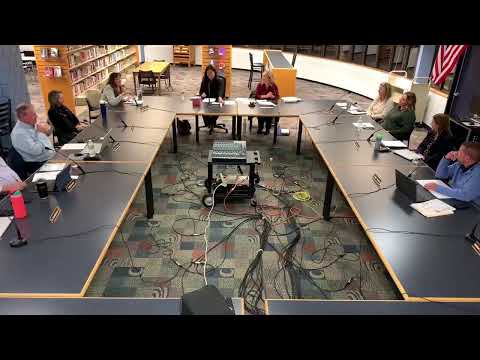
The Cromwell Board of Education considered — and ultimately rejected — a proposal to use the district’s accumulated surplus to pay the remaining cost of a new track at Cromwell High School. The discussion consumed much of the meeting as board members, the superintendent and finance staff debated trade-offs between seizing a vendor price and preserving a reserve for unplanned student needs.
The board’s motion, moved by Board Member Steve Heisman and seconded for discussion, asked the board to fully fund the track from available surplus. Claudio Bozzano, the district’s facilities lead, told the board the vendor would “not hold that price” after December 15 and that scheduling and contract completion likely required a decision in roughly 30–45 days, increasing pressure to act.
Nut graf: Supporters said the track is a community asset and noted prior town-level commitments; opponents warned that using the roughly $577,000 the district currently holds as surplus could expose the district to budget shortfalls later in the year, particularly for special education, transportation and other unpredictable costs. Superintendent Dr. Macri repeatedly cautioned that overspending could force a budget freeze that would limit purchases for textbook and materials and that board decisions to spend surplus have long-term consequences for budget stability.
Board members pressed for numbers. Business manager Mister Butwill outlined items already projected against current budgets — including increased substitute costs following recent state law changes, unanticipated shipping and legal bills, and an early-year meal program deficit — and said many cost pressures can materialize late in the fiscal year. One board member cited a current forecast that appeared to show a large surplus but the business office countered that special-education reimbursements and other variables make that projection unreliable.
Statements from the meeting captured the tension. Bozzano warned the board of timing: “The drop dead date is December 15. They will not hold that price that they’ve given us into the new year.” The superintendent framed the downside: board action to spend the surplus could leave the schools with little flexibility if unanticipated costs arise and might require a freeze of nonessential spending.
After extended debate and procedural clarification about whether a prior second was for discussion only, the chair called the motion to a vote and announced the motion failed. The board agreed to monitor whether the Board of Finance or the town would reintroduce the item; members suggested public comment at the Board of Finance meeting and the possibility of a special board meeting if more information became available.
What happens next: Board members asked staff to produce a clearer forecast and a short historical trend analysis showing how forecasted September balances typically declined across the school year; the town-level Board of Finance remains a possible avenue for the project if the board does not alter its position.