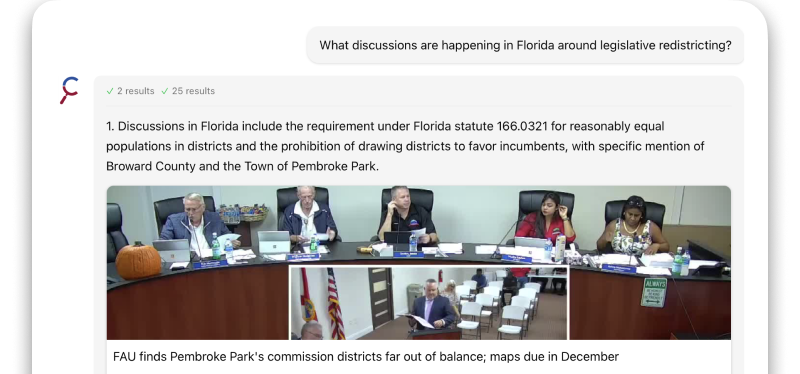
Georgetown ISD details extra staffing for five ‘high‑priority’ campuses; board debates performance pay

Summary
District leaders outlined targeted additions — assistant principals, interventionists, instructional coaches and Literacy First staff — for five high‑priority schools, estimated at more than $1 million. Trustees pressed for outcome measures and questioned incentive design and recruitment effectiveness.
Georgetown ISD leaders on Dec. 1 laid out a plan to add staff and targeted supports at five campuses the district labeled “high priority,” and presented a preliminary cost estimate and possible performance-pay incentives for campus leaders.
Speaker 1, opening the board workshop, described the district’s high‑priority label as based on ‘‘opportunity gaps’’ and family or community challenges that require additional supports. The slide packet shown to trustees listed enrollments, percentages and counts for students eligible for free or reduced‑price lunch, special education counts, assistant principals (APs), instructional coaches, interventionists, behavior‑support staff and the presence of a Literacy First program.
The district said the five high‑priority campuses would receive a combined increase of staff that includes four additional assistant principals, two instructional coaches, four interventionists and eight Literacy First staff. "That's a total of over $1,000,000 in additional staff for 5 schools," Speaker 1 said, while confirming these positions would come from the district general fund.
District staff described how allocations are set. Speaker 4 explained the elementary AP staffing ratio (one AP per ~700 students) and said the district will make exceptions ‘‘based on need’’ or principal requests. Speaker 10 described twice‑monthly ‘‘big team’’ visits by the teaching, learning and assessment group, the creation of district unit math assessments and a math response plan, and changes to literacy assessments that now include a writing component to align with STAR testing.
Trustees probed whether the extra staff yield measurable outcomes. Speaker 1 pressed that the district should be able to show whether the added interventionists, coaches and APs lead to improved student achievement; trustees asked how midyear benchmarks and the dashboard data would be used to reallocate resources if outcomes lag. "We don't want to find out at the end of the year a $40,000 request kept you from moving student performance to where it needed to be," Speaker 1 said.
The board also discussed one proposed incentive: a performance‑pay stipend for campus leaders. The concept under discussion would provide stipends for leaders at high‑priority campuses who meet accountability targets; staff offered an illustrative maximum figure (a $50,000 aggregate placeholder was used as a budgeting example, and $10,000 per school was referenced in one scenario). Trustees warned about unintended consequences of pay incentives, arguing the district must design measures that reward intended behaviors and not ‘‘incentivize the wrong thing.’’ Speaker 2 urged staff to model what stipend levels would actually recruit and retain the leaders the district needs, noting the pay differentials between neighboring districts.
Several trustees and staff also called for a dedicated elementary curriculum‑support position to relieve the chief academic officer of operational tasks and provide principals a daily point of contact. Speaker 1 framed that as a top‑of‑mind ask tied to capacity and effectiveness of instructional leadership.
What’s next: District leaders said these concepts are not final requests but initial budget‑planning ideas. Staff asked trustees for a month for follow‑up work that would include cost details, recruitment modeling and clearer performance metrics before any formal proposal or budget amendment is placed before the board.