Get Full Government Meeting Transcripts, Videos, & Alerts Forever!
Get email alerts on the Facade Improvement Program topic
No spam. Unsubscribe anytime.
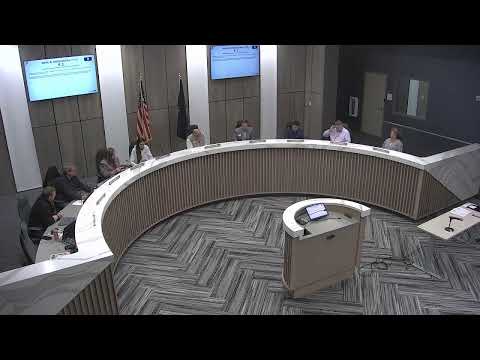
Council rejects $105,000 forgivable facade loan for Minot Housing Authority property
Summary
After extended debate over program eligibility and whether taxpayer funds should pay for a quasi-government property, the council voted down a $105,000 forgivable loan request from the Minot Housing Authority for 108 E. Burdick.
The Minot City Council declined a Minot Housing Authority request for a $105,000 forgivable loan to finance facade improvements at 108 East Burdick, voting the proposal down after a lengthy debate about eligibility and program intent.
Council members raised concerns that the facade program’s stated goal is to incentivize private investment in downtown properties and questioned whether a quasi-government agency should receive those funds. “I don't see the private investment. Everything in these guidelines talks about private investment,” Alderman Samuelson said while opposing the application.
Tom Alexander, executive director of the Minot Housing Authority, described MHA as a quasi-government agency that receives federal capital funds and rental income and said the authority would use capital-fund money for the improvement. “We are a quasi government agency, but we're not a federal employee. We're not a state employee. We're not an employee of the city of Minot,” Alexander said.
Council discussion highlighted mapping and zoning issues — the facade program’s application map does not match the Central Business District zoning map, raising questions about precedent if the council approved a government-owned property. Several members said the program’s purpose is to foster private reinvestment downtown and that awarding public funds to a public agency would undercut that purpose. Others argued that nonprofit or publicly owned properties had been eligible in prior cases.
After discussion and public testimony from the applicant, the motion to approve the forgivable loan failed on a council roll-call vote; the agenda notes and debate indicate at least three members opposed the loan while three supported it, producing a failed motion.
Council action: Motion to approve forgivable loan (agenda item 7.3) — failed. Next steps: no loan awarded; staff and applicants may re-evaluate eligibility and application materials if they pursue other funding or zoning changes.