Get Full Government Meeting Transcripts, Videos, & Alerts Forever!
Get email alerts on the Capital Improvement Plan topic
No spam. Unsubscribe anytime.
Council adopts uniform CIP ranking policy after amendment to boost asset condition and funding feasibility
Summary
Minot City Council adopted a citywide Capital Improvement Plan ranking policy after amending category weights to reduce community/economic impact and increase asset-condition and funding-feasibility weightings, a change proponents said prioritizes public safety and long-term maintainability.
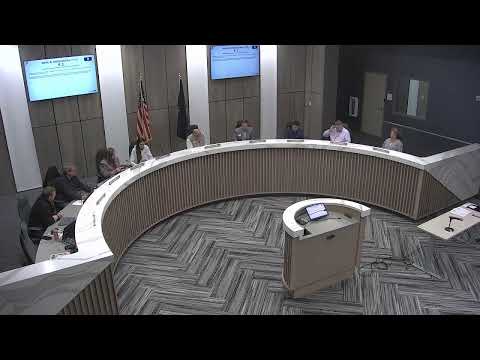
The Minot City Council voted Dec. 1 to adopt a uniform Capital Improvement Plan ranking and evaluation policy intended to standardize how departments prioritize projects across the city.
City engineer Lance told the council the policy assigns weighted scores across categories including health and safety, asset condition, community and economic impact, strategic alignment, funding feasibility and public stakeholder support. “Health and safety regulatory compliance, we rank this the highest,” Lance said during his presentation.
A council amendment shifted 10 points from the community and economic impact category into asset condition and funding feasibility. The amendment — summarized by a council member as decreasing community and economic impact from 20 to 10, increasing asset condition and maintenance from 20 to 25, and increasing funding implementation and feasibility from 15 to 20 — passed on a roll call. Supporters said moving points toward asset condition and feasibility focuses limited funds on repairs and projects that can be delivered.
Council members debated the balance between economic-development objectives and infrastructure preservation. Opponents cautioned that deprioritizing community/economic impact could pass over projects that drive growth. After the amendment passed, the full CIP policy was approved by roll call vote.
The policy establishes committee-based scoring (0–10 per category), produces tiered project lists (Tier 1: 80+), and directs staff to present top-tier projects at a public workshop before inclusion in the budget. City staff said the change is intended to yield clearer tradeoffs between urgent safety/maintenance needs and longer-term community goals.
Council action: Adopted (motion and roll-call approval). Next steps: staff will score next year’s project worksheets under the new policy and present results in a workshop to the council.