
Hudsonville schools report rise in students experiencing homelessness, outline supports
Get AI-powered insights, summaries, and transcripts
Subscribe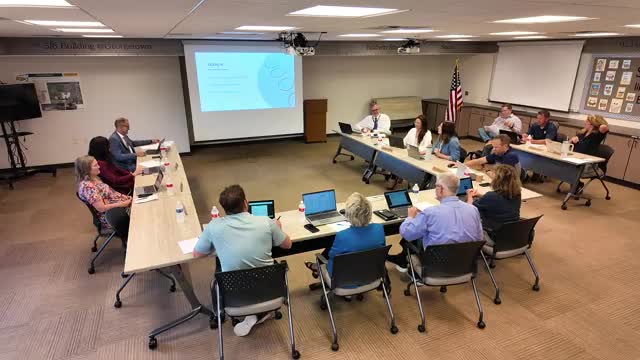
Summary
District staff told the board that McKinney‑Vento identifications rose to about 125 students last year and described partnerships (Care Portal, HopSkipDrive) and district practices used to identify and support housing‑unstable students.
Melissa, a district staff member addressing the Hudsonville Public School District board, gave a presentation on students experiencing housing instability and the district’s McKinney‑Vento supports. "McKinney‑Vento is defined as individuals who lack a fixed, regular, or adequate nighttime residence," she said, explaining the K‑12 definition and the common scenarios the district encounters.
Melissa said Hudsonville’s identifications have trended up since the COVID dip: "last year, we were actually up 45 students... about, like, 125, 126 students that were identified," and she told the board she expects the number to grow this school year. She noted some families live doubled‑up with relatives or friends, some are unaccompanied minors, others live in cars or campers, and a small number are migratory agricultural workers.
To find and support students, Melissa described district procedures and partnerships: enrollment questions that flag housing status; annual training for administrative staff and teachers; and regional coordination with the ISD and other McKinney‑Vento liaisons. She described Care Portal, an anonymous platform that pushes specific family needs to church partners and individuals across the area, and gave examples of community responses (home repairs, donated senior photos) that met immediate needs and sometimes led to ongoing relationships. She also said the district has begun using HopSkipDrive to provide rides for students who remain eligible for school‑of‑origin transportation after moving out of the district.
Melissa warned the board that the program is highly regulated and underfunded. The board and presenters discussed transportation cost sharing with districts of residence; Melissa said the district receives a modest regional grant allocation each year that helps but does not fully cover transportation and related costs.
The presentation concluded with an appeal to board members and staff to be alert for families in need and to use existing referral pathways. The district said it will continue outreach and coordination with community partners to meet immediate needs and pursue stability for students.
The board did not take a formal vote on program changes during this session; the report served as an operational update and request for continued support of identification and referral practices.