
Alice ISD hears proposal to leave TRS and adopt alternative district health plans
Get AI-powered insights, summaries, and transcripts
Subscribe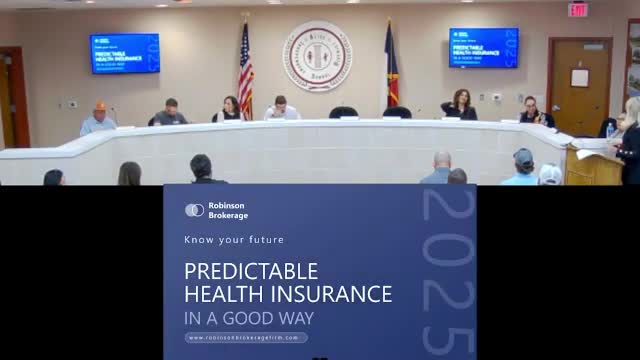
Summary
Consultant Shaina Robinson told Alice ISD trustees Nov. 20 that alternatives to TRS — including level‑funded and fully funded district plans with telemedicine and wellness programs — could lower employee premiums and offer two‑year rate guarantees; the board did not vote on a change and Robinson said a decision would need to be made by Dec. 31 to affect the next open enrollment.
Alice Independent School District trustees heard a presentation Nov. 20 on alternatives to the Teacher Retirement System’s (TRS) health‑insurance wraps for district employees, including level‑funded and fully funded options that the presenter said could lower premiums and increase benefit access.
Shaina Robinson, an insurance consultant the district invited to present, told the board ‘‘you are no longer in Hotel California. You can leave TRS,’’ and said recent rule changes allow districts to exit without a multi‑year lock. Robinson said the options her firm would solicit include level‑funded plans with two‑year rate guarantees, telemedicine and expanded mental‑health access, and district‑tailored networks intended to reduce premiums and improve access to local providers.
Robinson said plans her firm has proposed to other Texas districts have shown cost reductions compared with projected TRS increases. She cited examples presented to the board, saying some district offers she reviewed were about 25% less than the TRS‑projected rates for the coming year. She also said several plans include free 24/7 telemedicine and employee assistance program (EAP) services as part of a package that could keep many routine visits out of emergency rooms.
The presentation covered operational features the consultant said would support implementation: on‑site enrollment and biometric screenings, nurse consults and a texting reminder system tied to preventive screenings, and a single monthly bill for the district. Robinson described options that use third‑party administrators (TPAs) to build customized local networks while maintaining a wrap with a major national carrier so employees have nationwide access.
Robinson also described alternate approaches to controlling pharmacy costs, including working with entities she called Global Rx to purchase some drugs abroad and ship directly to employees to reduce co‑pays. She said some of her clients have used these methods to lower medication costs and overall claims.
Board members asked operational questions during a brief Q&A, including how wellness incentives would be applied, how midyear hires would be handled and whether employees in active treatment could continue to see their providers. Robinson said incentives would be tied to biometric‑screening HRAs and that the firm provides continuation‑of‑care procedures and waiver arrangements when an employee needs an out‑of‑network specialist.
No action was taken on Nov. 20. Robinson told the board that any change to the district’s carrier would need to be announced by Dec. 31 to be effective for the next plan year and offered to return with a formal recommendation if trustees wanted staff to pursue an RFP and additional district references.
What happens next: Trustees did not vote on insurance changes at the meeting. Administration and staff will decide whether to pursue the RFP and bring any formal recommendation to the board at a future meeting.