Get Full Government Meeting Transcripts, Videos, & Alerts Forever!
Get email alerts on the Right To Repair topic
No spam. Unsubscribe anytime.
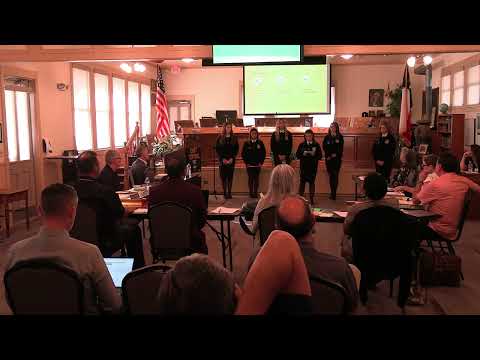
East Central ISD FFA team debates right-to-repair, students outline economic, environmental and safety arguments
Summary
An FFA ag-issues team presented competing pro and con arguments on the digital right to repair, telling the board that restricted access to proprietary software raises costs and e-waste while opponents warned of liability, IP and job risks; trustees heard the presentation but did not take formal action.
An FFA agriculture issues team presented a structured pro-and-con debate on the digital right to repair at an East Central ISD trustees meeting, arguing how limits on equipment repairs affect farmers, consumers and communities.
The student proponents told trustees that modern farm equipment’s growing dependence on proprietary software and manufacturer-controlled repair networks can increase costs and downtime for farmers. One presenter said farmers already operate on thin margins and cited a 2022 market share figure for a major manufacturer to illustrate concentrated market power. The students argued independent repair options provide faster service and greater financial flexibility for producers.
The presenters also framed repair access as an environmental issue, citing device lifespans and e-waste figures to argue that a repair-first approach reduces landfill waste. They connected repair access to consumer empowerment and innovation, saying hands-on repairs historically have driven improvements in tools and processes.
On the opposing side, student speakers warned that forcing manufacturers to disclose proprietary repair information could harm businesses and jobs. They argued that releasing design information risks competitive advantage and could lower OEM revenues, potentially leading to layoffs or closures. The con team also raised liability and safety concerns, noting some dealers reported illegal modifications and asking how manufacturers or the district would be liable if an independent repair caused an injury.
“Without the ability to repair their own machines, how will these pieces of equipment evolve?” one presenter asked, summarizing the pro side’s innovation argument. The con presenters countered that manufacturers already provide some repair resources and cited a company claim (in the transcript) that most malfunctions can be fixed without manufacturer-only software, using that to argue current protections address many safety needs.
The presentation referenced federal and industry developments discussed by students, including an executive order directing federal agencies to look at repair restrictions and a referenced "Digital Right to Repair Act." Presenters on both sides also cited third-party organizations and press reports to support cost and environmental claims.
Trustees did not record any formal action on the topic during the session; presenters closed by thanking the board and audience and the meeting proceeded to other agenda items.