
Council hears retirement-code cleanup; retirement director explains RS 11 change and other edits
Get AI-powered insights, summaries, and transcripts
Subscribe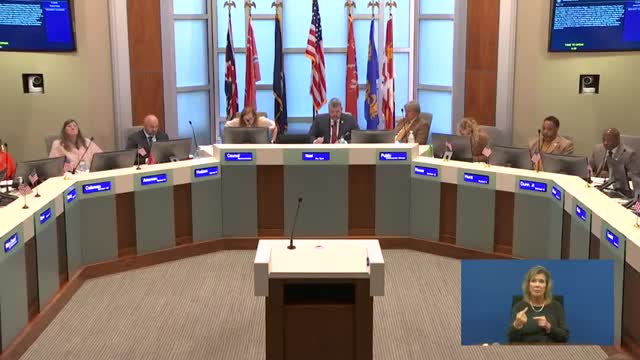
Summary
Retirement director James Mack explained ordinance edits to align local retirement code with Louisiana Revised Statutes (referencing RS 11 rather than RS 9), change terminology for domestic relations orders, remove a certified-mail notice requirement, and clarify that board approval is not required to finalize routine retirements; the board approved sending changes to the council unanimously.
At the Metropolitan Council meeting on Nov. 25, James Mack, retirement director, presented proposed ordinance changes to Title 1, Chapter 3, Part 4 of the City-Parish Code addressing the Employers Retirement System.
Mack said the revisions are largely cleanup language and identified seven key changes. He told council members the ordinance incorrectly referenced RS 9 (a statute that applies to trust accounts) and that the code should point to RS 11, the state statute relevant to public pension plans. He also said the phrase "qualified domestic relations order" should be replaced with "division of benefits order" because the former term applies to private retirement plans governed by ERISA and not to a public pension plan.
Other changes Mack described: removing certified-mail-only notice language (which can complicate delivery when recipients refuse certified mail), clarifying that board approval is not necessary once a member meets retirement qualifications, and other clarifying edits to avoid contradictory or vague provisions. Mack said the Board of Trustees unanimously approved the changes before sending them to the Metro Council for consideration.
Council members asked how workforce reductions and possible privatization could affect the plan's unfunded accrued liability (UAL). Mack explained conceptually that reductions in workforce spread the existing UAL across fewer active employees and could raise employer contribution percentages over time; he said he would provide actuary estimates to council members and could return to a future meeting with that detail.
What happens next: Council discussion concluded without a recorded council vote in the transcript. Staff will supply the actuary estimates Mack referenced; any formal council action will be recorded on a future agenda.