Get Full Government Meeting Transcripts, Videos, & Alerts Forever!
Get email alerts on the Groundwater topic
No spam. Unsubscribe anytime.
Board seeks more hydrogeology: pump tests, monitoring well locations and seasonal data
Summary
The applicant reported two production wells with 72‑hour pump tests (August 2023) showing rapid recovery; the Planning Board asked for full hydrogeology documentation, monitoring‑well locations relative to abutters, and seasonal or longer‑term testing before finalizing Part 2 groundwater answers.
The Planning Board asked the applicant to provide full hydrogeology documentation supporting its pump‑test conclusions and to clarify potential off‑site impacts before the board finalizes its Part 2 EAF groundwater responses.
Consultants reported two production wells will supply the project and described 72‑hour pump tests (conducted in August 2023) that showed quick recovery and minimal drawdown in on‑site monitoring wells. The applicant said each production well can exceed about 90 gallons per minute of capacity and that the documented peak wastewater demand estimate is about 18,600 gallons per day, which informed system sizing and DEC flow confirmations.
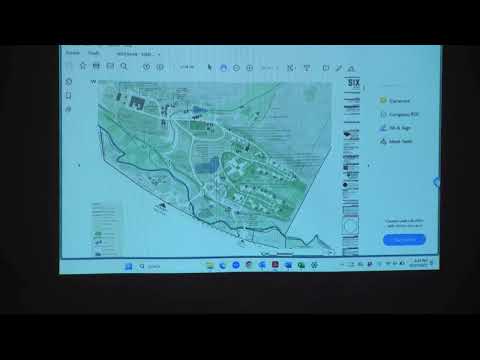
Board members asked for copies of the full hydrogeology report and monitoring‑well maps, including the location of the southernmost monitoring well relative to the nearest abutting homeowner wells; several members also raised concerns about seasonality and whether the August 2023 test (conducted during a drier period) could understate drawdown at other times of year.
The board directed the applicant to supply the MJ Engineering hydrogeologist report, monitoring‑well locations, and to address whether additional seasonal or longer‑term testing is needed to evaluate safe and sustainable withdrawal capacity. The board left the groundwater‑related Part 2 questions marked as Moderate/Large pending that information.